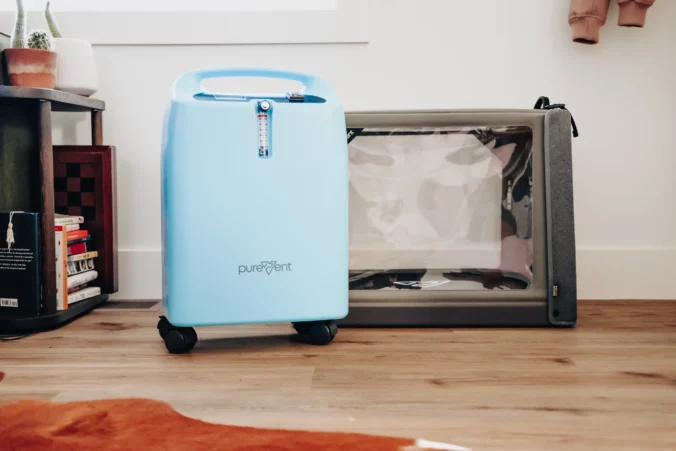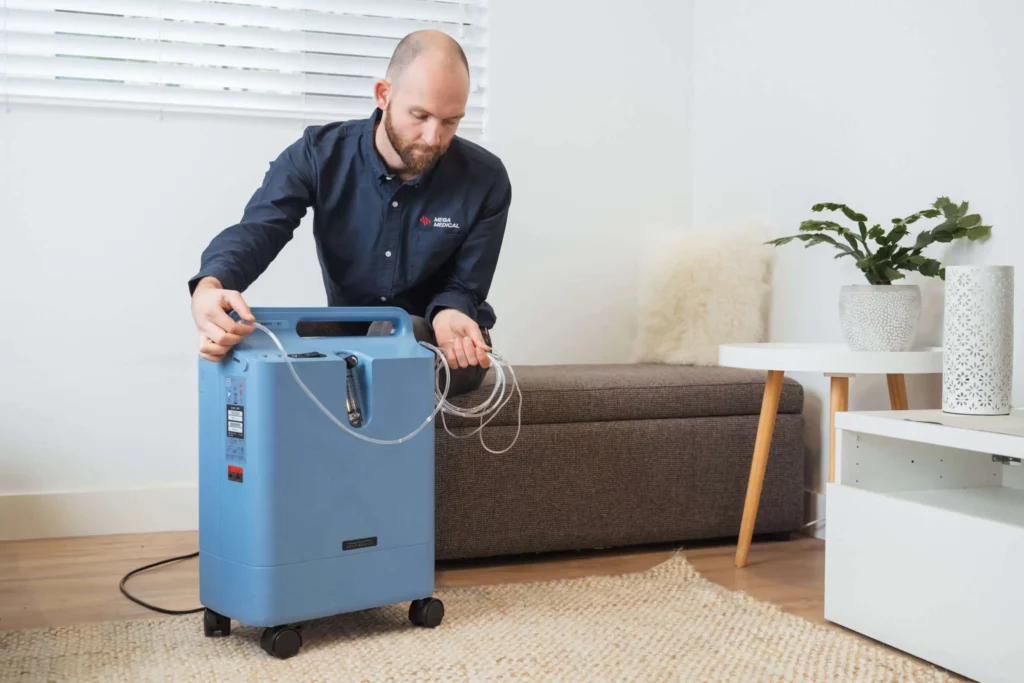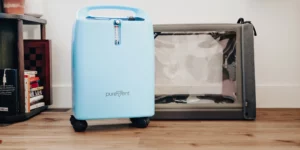
Maintaining an active lifestyle while managing respiratory conditions like COPD or pulmonary fibrosis has never been more achievable. In 2026, the technology behind portable oxygen concentrators (POCs) has reached new heights, offering Australian users lighter weights, smarter delivery systems, and significantly longer battery runtimes.
Choosing the best portable oxygen concentrators requires balancing medical necessity with personal freedom. This comprehensive review evaluates the top-performing models available in Australia this year, focusing on their efficiency, portability, and clinical reliability.
See more: Sleep Test Adelaide: Clinic vs Home Testing Compared
What is a Portable Oxygen Concentrator?
A portable oxygen concentrator is a medical device that extracts ambient air, compresses it, and filters out nitrogen to deliver concentrated, medical-grade oxygen to the user. Unlike traditional oxygen tanks, which have a finite supply and require refills, a POC generates oxygen as long as it has a power source—either a battery or a plug-in connection.
In 2026, the distinction between Pulse Dose and Continuous Flow remains the most critical factor for buyers. Pulse dose units deliver oxygen only when you inhale, making them lightweight and ideal for travel. Continuous flow units provide a steady stream of oxygen, which is often required for sleep or higher clinical needs, though they are generally heavier.
Top 5 Best Portable Oxygen Concentrators of 2026
The following models represent the gold standard for respiratory support in Australia, based on weight, oxygen output, and battery efficiency.
1. Inogen Rove 6: The Gold Standard for Travel
The Inogen Rove 6 has solidified its position as the premier choice for active Australians. It is a pulse-dose-only machine known for its incredibly quiet operation and reliability.
- Weight: 2.1 kg (with small battery)
- Flow Settings: 1–6 (Pulse)
- Battery Life: Up to 13 hours with the 16-cell extended battery.
- Why it stands out: Its “Intelligent Delivery Technology” is highly sensitive, detecting shallow breaths during rest to ensure you remain saturated.
2. CAIRE FreeStyle Comfort: Best for Ergonomics
Designed with a unique curved shape to rest comfortably against the hip, the FreeStyle Comfort is a favorite for those who enjoy long walks or travel.
- Weight: 2.3 kg
- Flow Settings: 1–5 (Pulse)
- Key Feature: Includes UltraSense™ technology, which ensures a pulse of oxygen is delivered even with very low inspiratory pressure.
- Best for: Active users who find square-shaped units bulky or uncomfortable during movement.
3. Kingon P2: The Lightweight Leader
If weight is your primary concern, the Kingon P2 is one of the smallest lightweight oxygen machines on the Australian market in 2026.
- Weight: 1.98 kg
- Flow Settings: 1–5 (Pulse)
- Why it ranks: It offers a 2.8-inch color display and is FAA-approved for international flights, making it a powerful companion for domestic and overseas travel.
4. CAIRE SeQual Eclipse 5: Best for Continuous Flow
For patients requiring a constant stream of oxygen, especially at night, the Eclipse 5 remains the heavy-duty champion.
- Weight: 8.3 kg (requires a transport cart)
- Flow Settings: 0.5–3.0 LPM (Continuous) and 1–9 (Pulse)
- Why it ranks: It is one of the few portable units capable of charging while running on DC power in a car, even on its highest settings.
5. O2 Concepts Oxlife Liberty2: The Hybrid Solution
The Liberty2 bridges the gap between lightweight pulse units and heavy continuous flow machines.
- Weight: 2.8 kg
- Flow Settings: 1–10 (Pulse) and 0.5–2.0 LPM (Continuous)
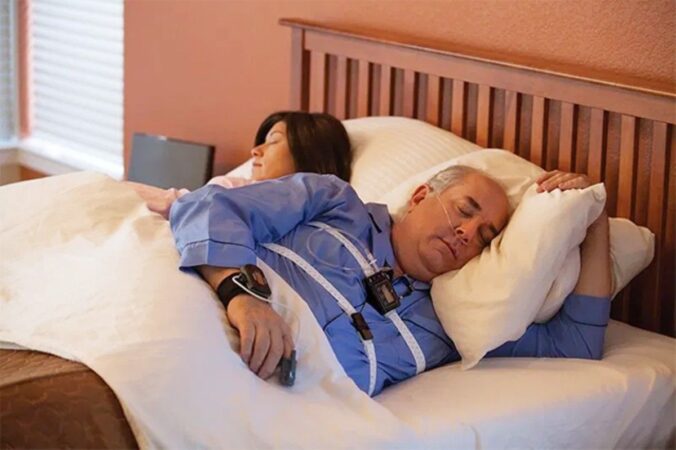
- Best for: Users who need pulse dose during the day but require continuous flow for CPAP compatibility or sleep.
Key Benefits of Upgrading to a 2026 POC
- Increased Independence: Modern units allow you to attend social events, go shopping, and travel without the “tether” of a stationary home unit.
- Smart Connectivity: Most 2026 models feature Bluetooth integration, allowing you or your healthcare provider to monitor usage and device health via a smartphone app.
- Travel Readiness: All top-tier POCs in Australia are FAA-approved, meaning they can be used on commercial flights.
- Improved Clinical Outcomes: Advanced breath-sensing algorithms (like AutoSAT or SmartDose) automatically adjust oxygen delivery based on your activity level.
How to Choose the Right Device: A Step-by-Step Framework
- Consult Your Specialist: Your oxygen prescription (LPM) dictates which machine you can use. Do not buy a pulse-only unit if you require continuous flow for sleep.
- Evaluate Your Daily Routine: If you are mostly at home or in a car, weight is less of a factor. If you walk daily or travel frequently, prioritize lightweight oxygen machines under 2.5 kg.
- Check Battery Requirements: Calculate your longest time away from a power source. Always buy an extended battery or a second spare for peace of mind.
- Test the Noise Level: If you use your device in quiet environments (cinemas, church, or libraries), look for units rated below 40 decibels (dBA).

Comparison Table: 2026 Model Specs
| Model | Max Oxygen Output | Weight | Best Use Case |
| Inogen Rove 6 | 1260 ml/min | 2.1 kg | Frequent travel & daily use |
| CAIRE FreeStyle Comfort | 1050 ml/min | 2.3 kg | Active walking & comfort |
| Kingon P2 | 1000 ml/min | 1.98 kg | Ultra-portability |
| SeQual Eclipse 5 | 3.0 LPM (Cont.) | 8.3 kg | 24/7 high-flow needs |
| Oxlife Liberty2 | 2.0 LPM (Cont.) | 2.8 kg | Hybrid needs / CPAP use |
Common Mistakes to Avoid
- Buying Based on Price Alone: Cheap, non-medical “oxygen bars” found on discount sites are not regulated medical devices and will not provide the purity needed for therapy.
- Ignoring Sieve Bed Maintenance: POCs use “sieve beds” to filter nitrogen. In 2026, look for units with user-replaceable columns to avoid sending the whole machine for servicing.
- Underestimating Battery Life: Manufacturers often list battery life at “Setting 1.” If you are on “Setting 3,” your battery will last significantly less than half the advertised time.
Pro Tip: Always carry a DC car charger. Modern POCs can run and charge simultaneously, ensuring you arrive at your destination with a full battery.
Internal & External References
- Internal Link Suggestion: “Guide to Oxygen Therapy and COPD Management in Australia”
- Internal Link Suggestion: “How to Travel with Oxygen: Airline Guidelines 2026”
- External Reference: The Thoracic Society of Australia and New Zealand (TSANZ) for clinical guidelines.
- External Reference: Lung Foundation Australia for patient support and resources.
Frequently Asked Questions (FAQ)
Can I use a portable oxygen concentrator with my CPAP machine?
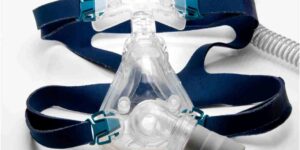
Yes, but only if the POC offers a continuous flow setting. Pulse-dose-only machines are generally not compatible with CPAP or BiPAP as they cannot detect the user’s breath through the mask.
Are these devices covered by Medicare or the NDIS in Australia?
While Medicare does not typically cover the purchase of POCs, you may be eligible for funding through the NDIS (National Disability Insurance Scheme) or state-based programs like the SWEP (Victoria) or EnableNSW, depending on your clinical needs.
How long do the filters last?
Most 2026 models have a gross particle filter that should be cleaned weekly. The internal “sieve beds” usually last 12 to 24 months, depending on the humidity and environment.
Can I take my POC on an international flight?
Yes. Most major airlines require you to have 150% of your flight duration in battery life. Ensure your device is FAA-approved and notify the airline 48 hours in advance.
Is setting 2 on a POC the same as 2 Litres Per Minute (LPM)?
No. On pulse-dose machines, the settings (1–6) are proprietary increments of oxygen boluses. They do not correlate exactly to a continuous flow of liters per minute. Always have your oxygen levels checked with a pulse oximeter while using the device.
Conclusion: Reclaiming Your Freedom
The best portable oxygen concentrators of 2026 have transformed oxygen therapy from a restrictive medical requirement into a manageable part of an active life. Whether you prioritize the feather-light design of the Kingon P2 or the clinical power of the Inogen Rove 6, there is a solution tailored to your respiratory needs.
When you’re ready to take the next step, consult with your respiratory therapist to determine the exact flow requirements for your condition.