Category: CPAP machines

The Best CPAP Masks for Comfort and Sleep Quality: A Comprehensive Review

If you’re using a CPAP machine to manage sleep apnoea, choosing the right CPAP mask is just as important as selecting the machine itself. A poorly fitting or uncomfortable CPAP mask can compromise your sleep quality and the effectiveness of your therapy. For Australians seeking better sleep and overall health, this comprehensive review will guide you through finding the best CPAP masks to enhance comfort and sleep quality.

Why the Right CPAP Mask Matters for Sleep Quality

Your CPAP mask serves as the interface between you and your CPAP therapy. Even with the best CPAP machine, a mask that is uncomfortable, leaks, or doesn’t fit properly can cause discomfort and disrupt your sleep. It’s essential that the mask seals well, provides comfort throughout the night, and stays in place. A good CPAP mask improves your therapy adherence, ensuring that you get the most out of your treatment. In Australia, a wide range of CPAP masks is available, so you can find the one that suits your needs perfectly.

What to Look for When Buying CPAP Masks in Australia

Before you buy CPAP masks in Australia, there are several important features to consider to ensure comfort, effectiveness, and durability.

1. Fit and Seal Quality

A good CPAP mask should fit snugly but not cause discomfort. Look for masks with a flexible seal that adapts to your facial contours. Masks with memory foam cushions or advanced silicone seals tend to provide a better seal, preventing leaks and ensuring a good night’s sleep.

2. Mask Style: Full Face, Nasal, or Pillow

CPAP masks come in various styles, each suited to different sleep patterns and preferences:

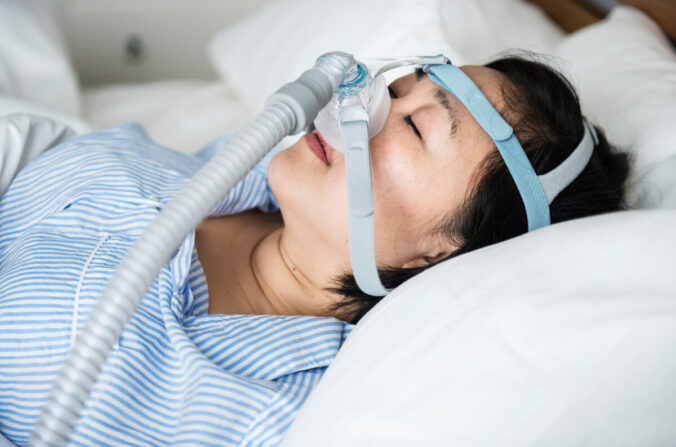
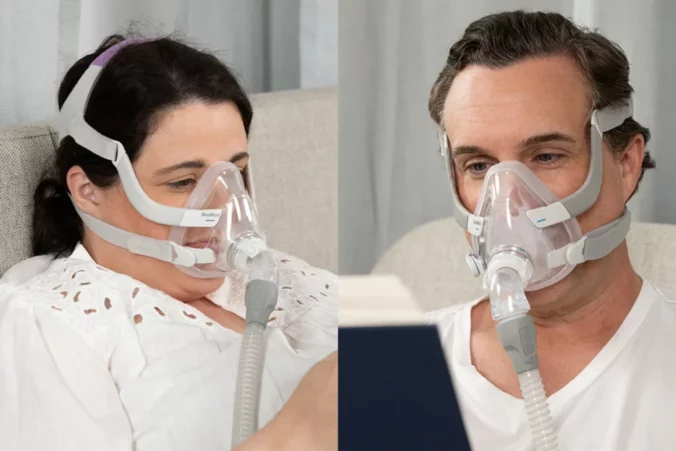
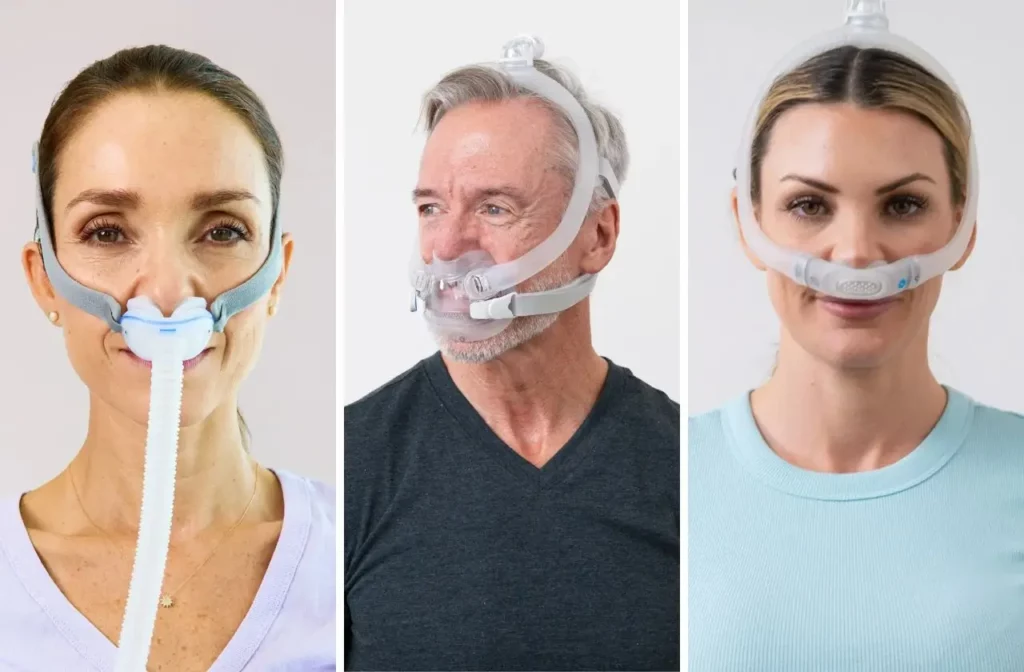
  • Full face masks cover both the nose and mouth, ideal for mouth-breathers or those using higher pressure.
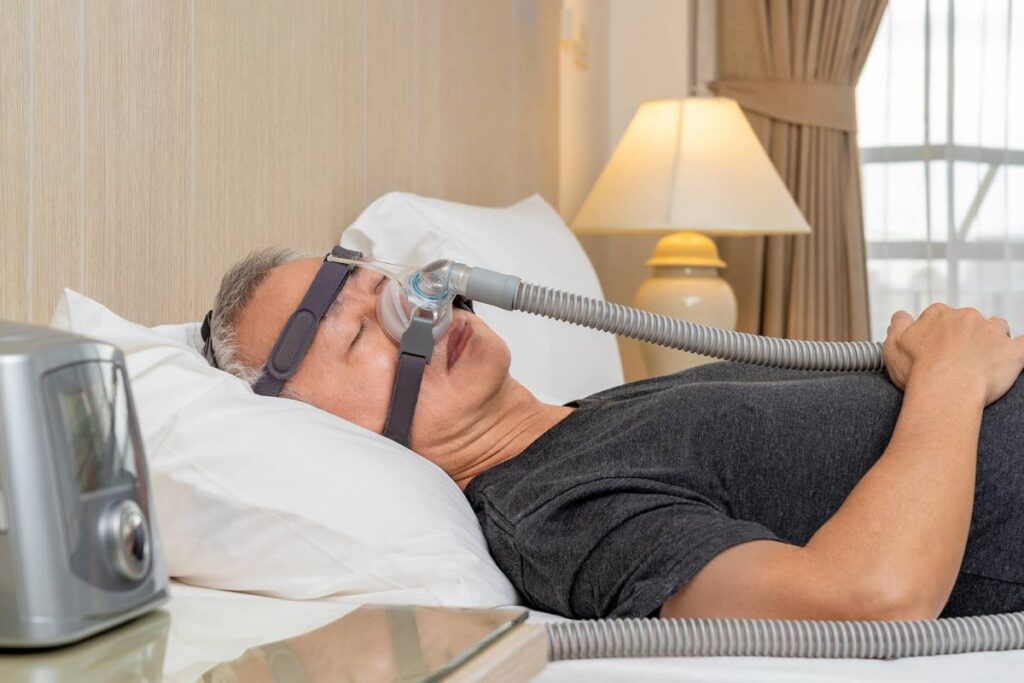
  • Nasal masks cover just the nose and are suitable for those who breathe through their nose during sleep.
  • Nasal pillow masks have minimal contact with the face, making them ideal for people who prefer a lightweight option.

3. Comfort Features

Comfort is crucial when it comes to CPAP masks. Look for features such as adjustable headgear, soft straps, and lightweight frames. Additionally, masks with built-in humidifiers or features like flexible tubing help maintain comfort throughout the night by preventing dryness or irritation.

4. Noise Levels

The noise produced by a CPAP mask can affect sleep quality, so it’s important to choose a mask that operates quietly. Modern CPAP masks are designed to minimize noise, but some models are quieter than others.

5. Ease of Cleaning

Maintaining your CPAP mask is essential for hygiene and long-term use. Choose a mask that is easy to clean and assemble, with removable cushions and headgear for simple washing. Regular cleaning ensures a better seal and prevents the buildup of bacteria.

CPAP Masks for Comfort and Sleep Quality

Top CPAP Masks for Comfort and Sleep Quality

Here are some of the best CPAP masks available in Australia that combine comfort, performance, and durability:

1. ResMed AirFit F20 Full Face Mask

The ResMed AirFit F20 is a popular full face mask designed for comfort and ease of use. It features a soft, flexible cushion that adapts to your face, ensuring a secure fit while minimizing leaks. The mask is easy to clean and comes with adjustable headgear for a customizable fit.

2. Philips DreamWear Full Face Mask

The Philips DreamWear Full Face Mask offers a unique top-of-the-head tube design, which eliminates the need for bulky side tubes. This mask provides a comfortable seal and allows you to sleep in any position, without the hassle of mask shifting. The lightweight design ensures a comfortable fit all night long.

3. Fisher & Paykel Vitera Full Face Mask

The Vitera Full Face Mask from Fisher & Paykel is known for its comfort and high-performance features. It uses advanced “VentiCool” technology to keep you cool and dry while sleeping. The flexible frame and cushion allow for a secure fit, and the soft, breathable headgear adds extra comfort.

4. ResMed AirFit P10 Nasal Pillow Mask

If you prefer a nasal pillow mask, the ResMed AirFit P10 offers minimal contact while providing a reliable seal. It’s lightweight and quiet, making it ideal for side-sleepers or anyone who prefers a less bulky mask. The mask’s compact design ensures comfort without compromising on performance.

5. Fisher & Paykel Eson 2 Nasal Mask

The Fisher & Paykel Eson 2 Nasal Mask is another great option for those who prefer a nasal mask. It features a minimalist design, making it ideal for those who want a comfortable fit without feeling constricted. The mask provides a secure seal and is easy to adjust, ensuring a peaceful night’s sleep.

How to Choose the Right CPAP Mask for Your Needs

Choosing the right CPAP mask depends on your specific needs and preferences. Here are a few tips to help you make the best choice:

  • Consider your breathing habits: If you breathe through your mouth, a full face mask may be the best option. If you breathe through your nose, a nasal mask or pillow mask may be more suitable.
  • Think about your sleep position: Side sleepers may find a nasal pillow mask more comfortable, while back sleepers may prefer a full face mask for better coverage.
  • Consider comfort and fit: Try on different mask types and adjust the headgear to ensure a snug, secure fit without causing discomfort. Don’t forget to check for leaks and make sure the mask remains in place throughout the night.

Tips for Getting the Best Sleep with Your CPAP Mask

  • Ensure proper fit: A properly fitted mask ensures comfort and prevents leaks. Take the time to adjust the straps and try different sizes if necessary.
  • Clean your mask regularly: Cleaning your CPAP mask is essential for hygiene and mask longevity. Make it a habit to clean your mask and its components regularly.
  • Replace parts as needed: Over time, the cushion and straps may wear out. Replace these parts when necessary to maintain optimal performance and comfort.
  • Consult your sleep therapist: If you’re experiencing discomfort, leaks, or other issues, consult your sleep therapist for adjustments or mask recommendations.

Conclusion

Finding the best CPAP mask for your needs is crucial to ensuring that you get a good night’s sleep and benefit fully from your CPAP therapy. Whether you choose a full face mask, nasal mask, or nasal pillow mask, the right fit and comfort features are key to improving sleep quality. With a variety of high-quality CPAP masks available in Australia, you have plenty of options to choose from to ensure optimal comfort and performance.

Summary

This article explored the best CPAP masks for comfort and sleep quality. We discussed the different types of CPAP masks, including full face, nasal, and nasal pillow masks, and provided recommendations for top models available in Australia. We also covered key features to consider when choosing a mask, such as fit, seal quality, and comfort, and provided tips on maintaining your mask for long-term use.

What is the best CPAP mask for Australians?

The ResMed AirFit F20 Full Face Mask, Philips DreamWear Full Face Mask, and ResMed AirFit P10 Nasal Pillow Mask are all excellent choices for Australians, offering comfort, quality, and reliability.

Can I buy CPAP masks online in Australia?

Yes, many reputable suppliers in Australia offer CPAP masks online. Ensure that you choose a reliable retailer that provides quality products and customer support.

What is the difference between a full face mask and a nasal mask?

A full face mask covers both the nose and mouth, making it ideal for mouth-breathers. A nasal mask covers only the nose and is suitable for people who breathe through their nose while sleeping.

How often should I replace my CPAP mask?

You should replace the cushion and straps every 3-6 months, or sooner if you notice wear and tear or discomfort. Regular cleaning and maintenance will help extend the life of your mask.

How can I ensure my CPAP mask fits properly?

Adjust the headgear straps for a snug fit without being too tight. Make sure the mask forms a secure seal around your nose or mouth, depending on the type, and check for leaks during the night.
Top CPAP Machine Features You Should Know Before Buying

Sleep apnea affects millions worldwide, disrupting sleep and increasing the risk of serious health issues such as heart disease, high blood pressure, and fatigue. Continuous Positive Airway Pressure (CPAP) machines are a cornerstone treatment for this sleep disorder, helping maintain steady breathing during sleep and improving overall sleep health.

Choosing the right CPAP machine can feel overwhelming. From mask types to pressure settings, knowing the essential features ensures you get the best results and comfort.


What Is a CPAP Machine?

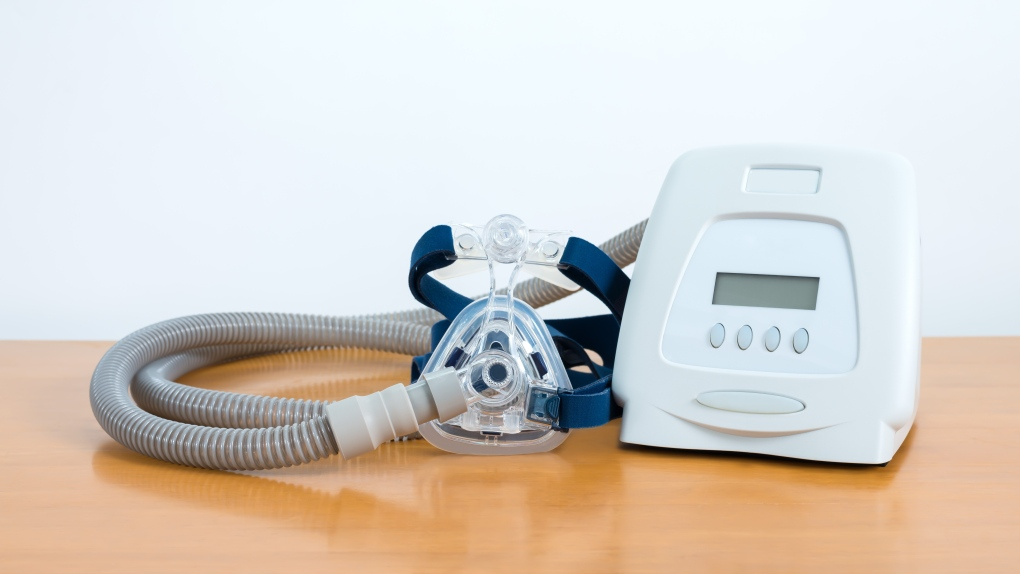
A CPAP machine delivers constant air pressure through a mask to keep your airway open while sleeping. By preventing pauses in breathing, CPAP therapy improves oxygen flow and promotes deeper, more restorative sleep.

Real-world example:
John, a 50-year-old engineer, struggled with snoring and daytime fatigue. After using a CPAP machine for three weeks, he noticed better energy, reduced morning headaches, and improved heart health metrics during routine check-ups.


Why Features Matter

Not all CPAP machines are the same. Features can significantly impact comfort, effectiveness, and long-term adherence to therapy. Choosing a machine without understanding these options may lead to poor compliance or discomfort.


Essential CPAP Machine Features

1. Adjustable Pressure Settings

CPAP machines deliver airflow at a set pressure. Some models allow adjustments for mild, moderate, or severe sleep apnea, while auto-adjusting CPAP (APAP) machines vary pressure throughout the night based on your breathing patterns.

  • Benefit: Ensures optimal airway support without unnecessary pressure, enhancing comfort and sleep quality.

2. Humidifiers

Many CPAP machines include built-in humidifiers to moisten air, reducing nasal dryness and throat irritation.

  • Tip: Adjustable humidifiers let you control moisture levels according to your needs.

3. Mask Compatibility and Comfort

CPAP masks come in multiple types:

  • Full-face masks: Cover nose and mouth, ideal for mouth breathers
  • Nasal masks: Fit over the nose, suitable for users with mild apnea
  • Nasal pillows: Small inserts for direct airflow, lightweight and portable

Choosing the right mask is crucial to prevent air leaks and ensure adherence.

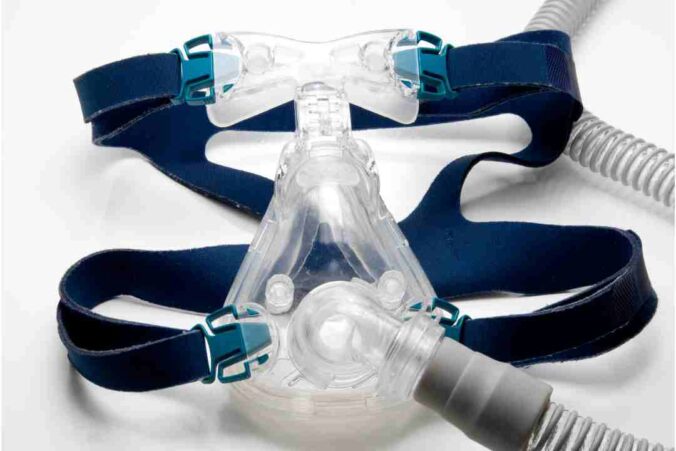
CPAP Mask

4. Ramp Feature

The ramp feature gradually increases air pressure as you fall asleep, helping users adjust comfortably without feeling overwhelmed.

  • Benefit: Reduces anxiety for first-time CPAP users and improves sleep onset.

5. Data Tracking and Connectivity

Modern CPAP machines often track usage, mask fit, and apnea events. Some devices sync with apps or cloud platforms for remote monitoring by sleep specialists.

  • Advantage: Personalized adjustments improve therapy effectiveness and reduce long-term health risks.

6. Noise Level

A quiet machine ensures minimal disturbance to your sleep or your partner’s. Look for CPAP devices rated below 30 decibels.

  • Tip: Check user reviews for real-world noise levels before purchasing.

7. Travel-Friendly Options

Compact or battery-operated CPAP machines are perfect for frequent travelers, ensuring uninterrupted therapy on the go.

  • Benefit: Maintains healthy sleep patterns regardless of location.

Benefits of CPAP Therapy

Using a CPAP machine consistently delivers numerous benefits:

  • Improved Sleep Quality: Restorative sleep reduces fatigue, irritability, and memory problems.
  • Reduced Cardiovascular Risk: Steady oxygen flow lowers strain on the heart, reducing blood pressure and risk of heart disease and sleep apnea complications.
  • Enhanced Daytime Energy: Users experience increased alertness, focus, and productivity.

Practical Tips for New CPAP Users

Setup Tips

  • Ensure mask is correctly fitted to prevent leaks.
  • Position the machine at or below bed level to reduce water condensation in tubing.
  • Use the ramp feature for easier adaptation.

Maintenance Tips

  • Clean mask and tubing weekly to prevent infections.
  • Replace filters and water chambers as recommended.
  • Schedule periodic check-ins with your sleep specialist.

Comfort Tips

  • Experiment with different mask types for best fit.
  • Use a humidifier to minimize nasal irritation.
  • Practice relaxation techniques before sleep to adapt to therapy.

The Role of Sleep Studies

A sleep study diagnoses sleep apnea severity and informs your CPAP prescription. It monitors breathing patterns, oxygen levels, and heart rate, allowing your specialist to recommend the best machine and settings.


Conclusion

Understanding the key features of CPAP machines ensures better therapy adherence, improved sleep quality, and reduced complications from untreated sleep apnea. From mask type to humidifiers and data tracking, selecting a machine that suits your needs makes a significant difference in health outcomes and daily energy.

Consult a sleep specialist and complete a sleep study to personalize your CPAP therapy and experience the full benefits of restful, restorative sleep.

FAQS

How do I know which CPAP mask is right for me?

Mask choice depends on comfort, breathing style, and fit. Full-face masks suit mouth breathers, nasal masks are best for mild sleep apnea, and nasal pillows are lightweight options. Proper fit prevents leaks and enhances therapy effectiveness.

Can CPAP therapy reduce the risk of heart disease?

Yes. By keeping airways open and stabilizing oxygen levels, CPAP machines reduce blood pressure and heart strain, lowering the risk of heart attacks, stroke, and other cardiovascular complications linked to sleep apnea.

What is the ramp feature on a CPAP machine?

The ramp feature gradually increases air pressure as you fall asleep. This helps first-time users adjust comfortably, reduces anxiety, and improves sleep onset without interrupting natural breathing patter

How important is humidification in CPAP therapy?

Humidifiers prevent nasal dryness and throat irritation, improving comfort and adherence to therapy. Adjustable settings let you control moisture levels for optimal sleep health.

Understanding the Cost of a Sleep Test: Budgeting for Better Sleep

Sleep plays a vital role in our overall health and well-being. It is during sleep that our body repairs and rejuvenates itself, helping to maintain physical and mental health. However, for some individuals, getting a good night’s sleep can be a struggle. This is where a sleep test can help diagnose underlying sleep disorders and provide a pathway towards better sleep quality. In this article, we will explore the various aspects of a sleep test, including its importance, types, process, and most importantly, the cost involved. Understanding the cost of a sleep test is essential for budgeting and ensuring that everyone can access the sleep care they need.

The Importance of Sleep for Health

When it comes to health, sleep is often underrated. Inadequate sleep can lead to a wide range of physical, mental, and emotional health problems. Research has shown that insufficient sleep can increase the risk of chronic conditions such as obesity, diabetes, cardiovascular disease, and even certain types of cancer. Sleep deprivation can also impair cognitive function, affect mood regulation, and lower our immune system’s effectiveness. Recognizing the importance of sleep is the first step in taking control of our overall health in the sleep test cost.

Furthermore, the quality of sleep is just as important as the quantity. Deep, restorative sleep is essential for the body to undergo essential repair processes, consolidate memories, and regulate various bodily functions. This is why creating a sleep-conducive environment and practicing good sleep hygiene habits are crucial for maximizing the benefits of sleep on our health. You can visit https://hematologyjournal.net/navigating-medicare-for-sleep-apnea-test-coverage-and-options to get about medicare coverage and options for sleep apnea test .

The Role of Sleep in Physical Health

During sleep, our body repairs damaged tissues, restores energy levels, and regulates hormone production. This regeneration process is crucial for maintaining optimal physical health. Lack of sleep can disrupt these restorative functions, leading to imbalances that can compromise our overall well-being.

Moreover, sleep plays a vital role in weight management and metabolism. Insufficient sleep can disrupt the balance of hunger hormones, leading to increased appetite and a higher likelihood of weight gain. By prioritizing adequate sleep, individuals can support their efforts to maintain a healthy weight and reduce the risk of obesity-related health issues.

The Impact of Sleep on Mental Well-being

Sleep plays a significant role in mental health as well. Sufficient sleep helps to regulate emotions, improve concentration, and enhance memory and cognitive function. On the other hand, sleep deficiency can lead to mood swings, irritability, difficulty concentrating, and poor decision-making. Adequate sleep is essential for maintaining mental well-being and overall cognitive performance.

Furthermore, deep sleep stages are crucial for processing emotions and dealing with stress. By allowing the brain to go through these essential stages of sleep, individuals can better cope with daily challenges, regulate their emotional responses, and maintain a positive outlook on life. Prioritizing sleep as a key component of mental health care can lead to improved resilience and overall well-being.

sleep test

What is a Sleep Test?

A sleep test, also known as a polysomnography, is a diagnostic procedure conducted to evaluate and diagnose sleep disorders. It involves monitoring various body functions during sleep, such as brain activity, eye movements, heart rate, breathing patterns, and oxygen levels. This comprehensive assessment provides valuable insights into the nature and severity of sleep disturbances, helping healthcare professionals tailor appropriate treatment plans. Learn more about polysomnography click here

During a sleep test, highly trained sleep technologists work diligently to ensure accurate and reliable data collection. They meticulously place electrodes and sensors on the patient’s body to monitor specific physiological parameters. These electrodes are carefully attached to the scalp to measure brain activity, allowing clinicians to observe the different stages of sleep, including rapid eye movement (REM) sleep and non-REM sleep. Additionally, sensors are placed near the eyes to detect eye movements, providing further information about sleep patterns.

Types of Sleep Tests

There are different types of sleep tests available, depending on the specific sleep disorder being investigated. Some common types include overnight sleep studies conducted in a sleep laboratory, home sleep tests that can be done in the comfort of one’s own bed, and daytime multiple sleep latency tests for assessing excessive daytime sleepiness. The choice of sleep test depends on factors such as the suspected sleep disorder, convenience, and cost considerations.

Overnight sleep studies conducted in a sleep laboratory offer a controlled environment where sleep technologists can closely monitor the patient’s sleep patterns. The sleep laboratory is designed to resemble a comfortable bedroom, ensuring that patients can relax and sleep as naturally as possible. The data collected during these studies provides a comprehensive assessment of sleep architecture, allowing healthcare professionals to identify specific sleep disorders, such as sleep apnea, narcolepsy, or restless legs syndrome. Learn more about it click here

The Process of a Sleep Test

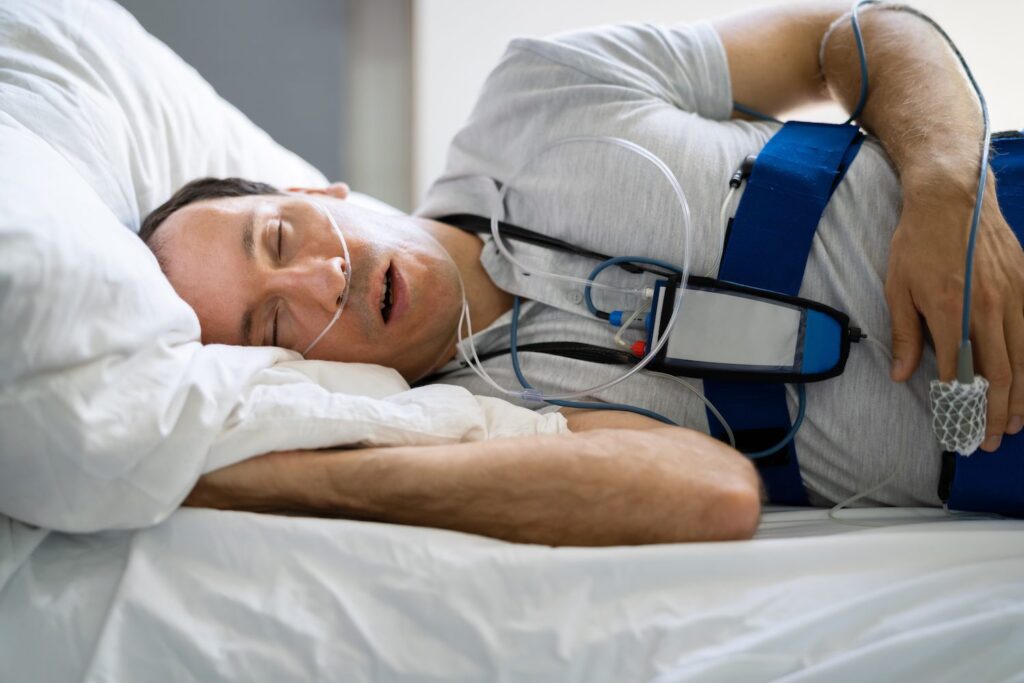
The process of a sleep test typically involves spending a night in a sleep laboratory or using portable equipment at home. In a sleep laboratory, electrodes and sensors are attached to various parts of the body to monitor brain activity, eye movements, muscle tone, heart rate, and respiration. These measurements help clinicians identify any abnormalities during sleep. Home sleep tests involve wearing a portable device that records similar data but in a more convenient and less controlled environment. The collected data is then analyzed by sleep specialists to determine the presence and severity of sleep disorders.

Once the sleep test is completed, the collected data is carefully analyzed by sleep specialists. They meticulously review the recorded information, paying close attention to any irregularities or abnormalities. This analysis allows them to make an accurate diagnosis and develop a personalized treatment plan tailored to the patient’s specific needs. The treatment plan may include lifestyle modifications, medication, or the use of continuous positive airway pressure (CPAP) devices to improve breathing during sleep. Learn more at https://www.mayoclinic.org/diseases-conditions/sleep-apnea/in-depth/cpap-masks/art-20546828

In conclusion, sleep tests play a crucial role in diagnosing and understanding sleep disorders. By monitoring various physiological parameters during sleep, healthcare professionals can gain valuable insights into the nature and severity of sleep disturbances. This knowledge enables them to provide effective treatment options and improve the overall quality of life for individuals suffering from sleep disorders.

sleeping-bed-eye-mask

Breaking Down the Cost of a Sleep Test

When considering a sleep test, it is essential to understand the different cost components involved.

Professional Fees Involved

The professional fees typically cover the expertise and time of the sleep specialist, as well as the analysis of the sleep test results. Depending on the healthcare provider and the complexity of the sleep test, these fees can vary. It is advisable to check with the sleep clinic or hospital to understand the charges and coverage, if any.

Equipment and Facility Costs

Sleep tests involve the use of specialized equipment and facilities. The cost of these resources, including the sensors, electrodes, monitoring devices, and sleep laboratory or portable equipment, can contribute significantly to the overall cost of the test. Understanding these expenses is essential for budgeting and assessing the financial feasibility of undergoing a sleep test.

Insurance and Sleep Tests

Insurance coverage can play a crucial role in managing the cost of a sleep test. It is important to understand your coverage and the specific sleep test services included in your insurance plan. Some insurance plans may cover a portion or all of the sleep test expenses, depending on the type of coverage and the diagnosed sleep disorder. Contacting your insurance provider or reviewing your policy documents can provide valuable information about the extent of coverage.

Understanding Your Coverage

Before a sleep test, it is advisable to contact your insurance provider to understand the coverage details and any pre-authorization requirements. Some sleep clinics or hospitals may have dedicated staff who can assist in verifying insurance coverage and helping navigate the financial aspects of a sleep test. Being aware of your insurance coverage can help you make informed decisions and plan your budget effectively.

Out-of-Pocket Expenses

Even with insurance coverage, there may still be out-of-pocket expenses associated with a sleep test. These can include deductibles, co-pays, or costs related to specific services or equipment that are not covered by your insurance provider. It is important to review your insurance policy and consult with the sleep clinic or hospital to estimate the potential out-of-pocket expenses.

Alternatives to Traditional Sleep Tests

For individuals who are unable to undergo traditional sleep tests due to financial constraints or other reasons, there are alternative options available.

Home Sleep Tests

Home sleep tests offer a convenient and cost-effective alternative to traditional sleep studies conducted in sleep laboratories. These tests involve the use of portable devices that can be worn at home. While they may not provide the same comprehensive data as laboratory tests, home sleep tests can still provide valuable insights into sleep quality and the presence of certain sleep disorders, such as sleep apnea.

Online Sleep Assessment Tools

Another alternative is the use of online sleep assessment tools. These interactive platforms allow individuals to answer a series of questions regarding their sleep patterns, habits, and symptoms. Based on the responses, these tools can provide an initial assessment of potential sleep problems and suggestions for further evaluation or intervention. While online assessment tools are not a replacement for professional sleep tests, they can be a starting point for individuals looking to gain a better understanding of their sleep health.

Understanding the cost of a sleep test is crucial for budgeting and better sleep management. By recognizing the importance of sleep, knowing the different types and processes of sleep tests, and understanding insurance coverage and alternatives, individuals can make informed decisions about their sleep care. Prioritizing sleep health and allocating resources towards sleep tests can pave the way for better sleep quality, improved overall health, and a well-rested future.

Navigating Medicare for Sleep Apnea Test: Coverage and Options

Sleep apnea is a common sleep disorder that affects millions of Americans. It is a condition where a person’s breathing repeatedly stops and starts during sleep, leading to poor sleep quality and a range of other health issues. If you have been diagnosed with sleep apnea or suspect that you might have it, it is important to understand how Medicare can help cover the costs of sleep apnea tests and treatment options.

Understanding Medicare and Sleep Apnea

Before we dive into the specifics of Medicare coverage for sleep apnea, let’s first define what sleep apnea is and how it affects individuals. Sleep apnea is a disorder that causes interruptions in breathing during sleep, leading to brief periods of awakening throughout the night. These interruptions can result in excessive daytime drowsiness, high blood pressure, and other serious health risks.

Medicare is a federal health insurance program do sleep study cost medicare australia that provides coverage to people aged 65 and older, as well as individuals with certain disabilities or medical conditions. Medicare is divided into different parts, each covering different aspects of healthcare.

What is Sleep Apnea?

Sleep apnea is a sleep disorder characterized by pauses in breathing or shallow breaths during sleep. These interruptions in breathing can last anywhere from a few seconds to minutes and can occur multiple times throughout the night. Sleep apnea is often accompanied by loud snoring and a feeling of tiredness, even after a full night’s sleep.

There are three main types of sleep apnea:

  1. Obstructive Sleep Apnea (OSA): This is the most common form of sleep apnea and occurs when the airway becomes blocked or collapses during sleep.
  2. Central Sleep Apnea (CSA): This type of sleep apnea is less common and happens when the brain fails to send the proper signals to the muscles that control breathing.
  3. Complex/Mixed Sleep Apnea: This is a combination of both obstructive and central sleep apnea.

Each type of sleep apnea requires different treatment approaches and may have varying impacts on an individual’s overall health. You can get about the cost of sleep apnea test on https://hematologyjournal.net/understanding-the-cost-of-a-sleep-test-budgeting-for-better-sleep.

Medicare-Covers-Sleep

How Does Medicare Cover Sleep Apnea?

Medicare coverage for sleep apnea largely depends on the specific type of Medicare plan you have. In general, Medicare Part B, which covers outpatient services, may provide coverage for sleep apnea tests and diagnosis. However, it’s important to note that Medicare coverage can vary, so it is always best to check with your specific plan.

If you have a Medicare Advantage plan (Part C), your coverage for sleep apnea tests and treatment may differ from the standard Medicare coverage. Medicare Advantage plans are offered by private insurance companies approved by Medicare, and they often provide additional benefits beyond what original Medicare covers.

It’s worth mentioning that Medicare coverage for sleep apnea treatment options, such as continuous positive airway pressure (CPAP) machines or other devices, may also vary depending on the plan. Some Medicare plans may cover a portion of the cost, while others may require you to pay a deductible or co-payment.

It’s always advisable to consult with your healthcare provider and Medicare plan representative to understand the specific coverage details and requirements for sleep apnea treatment under your Medicare plan. They can provide you with the most accurate and up-to-date information based on your individual circumstances.

The Role of Medicare in Sleep Apnea Diagnosis

Getting an accurate diagnosis is the first step in effectively managing sleep apnea. Medicare can play a significant role in the diagnosis process by helping cover the costs associated with sleep studies and other diagnostic tests.

Understanding the intricate relationship between Medicare coverage and sleep apnea diagnosis is crucial for individuals seeking proper treatment for this common sleep disorder. By delving deeper into the specifics of how Medicare operates in this context, patients can navigate the healthcare system more effectively and access the necessary resources for their care. Learn more about the role of medicare in sleep apnea diagnosis on https://www.medicare.gov/coverage/sleep-studies.

Home-Sleep-Tests

Sleep Studies and Medicare

A sleep study, also known as a polysomnography, is one of the most common diagnostic tests used to diagnose sleep apnea. It involves spending a night at a sleep center or using a portable home sleep monitor to measure various bodily functions during sleep.

Medicare Part B may cover sleep studies if they are deemed medically necessary. However, prior authorization or a doctor’s referral may be required to qualify for coverage. It’s essential to check with your Medicare plan and healthcare provider to understand the specific requirements for coverage.

Moreover, the process of conducting a sleep study goes beyond the technical aspects of monitoring sleep patterns. It involves a multidisciplinary approach that includes sleep technologists, respiratory therapists, and physicians working together to analyze the data and provide a comprehensive evaluation of the patient’s condition.

The Process of Getting a Sleep Apnea Test

If you suspect you have sleep apnea and think you need a sleep study, the first step is to consult with your healthcare provider. They will evaluate your symptoms and medical history to determine if a sleep study is necessary.

If a sleep study is recommended, your healthcare provider will guide you through the process, including obtaining any necessary referrals or authorizations from Medicare. It is essential to follow their instructions and provide any requested documentation to ensure smooth and efficient coverage.

Furthermore, the collaboration between healthcare providers and Medicare in facilitating sleep apnea testing underscores the importance of a coordinated approach to healthcare delivery. By leveraging the resources and expertise of both medical professionals and insurance providers, patients can receive timely and accurate diagnoses, leading to improved management of their sleep apnea condition.

Coverage Details for Sleep Apnea Tests

Understanding what Medicare Part B covers when it comes to sleep apnea tests is crucial to avoid unexpected expenses.

When it comes to sleep apnea tests, Medicare Part B plays a vital role in providing coverage for beneficiaries. This coverage extends to various aspects of the testing process, ensuring that individuals have access to necessary diagnostic services without facing exorbitant costs. Find more at https://dictionary.cambridge.org/example/english/exorbitant-cost

What Does Medicare Part B Cover?

Medicare Part B typically covers 80% of the Medicare-approved amount for sleep apnea tests and related services. This includes the cost of the sleep study, any necessary consultations, and the interpretation of test results by a qualified healthcare professional.

Moreover, Medicare Part B coverage for sleep apnea tests underscores the importance of timely and accurate diagnosis in managing this sleep disorder effectively. By shouldering a significant portion of the financial burden, Medicare aims to facilitate access to essential healthcare services for beneficiaries.

It’s important to note that with Medicare Part B, you are responsible for the remaining 20% of the approved amount, as well as any deductible that may apply.

Out-of-Pocket Costs for Sleep Apnea Tests

While Medicare covers a significant portion of sleep apnea test costs, it’s important to be aware that there may still be out-of-pocket expenses. These can include deductibles, copayments, and any additional costs associated with the sleep study.

Understanding the nuances of out-of-pocket costs for sleep apnea tests is essential for beneficiaries to effectively plan for their healthcare expenses. By proactively engaging with their Medicare plan and seeking clarification on coverage details, individuals can navigate the financial aspects of sleep apnea testing with greater confidence.

To better understand your potential out-of-pocket costs, it is recommended to contact your Medicare plan and discuss the specifics of your coverage.

Options for Sleep Apnea Treatment Through Medicare

Once a diagnosis of sleep apnea has been made, it’s essential to explore and understand your available treatment options. Medicare provides coverage for various sleep apnea treatment options, ensuring that you can receive the care you need.

Continuous Positive Airway Pressure (CPAP) Therapy Coverage

Continuous Positive Airway Pressure (CPAP) therapy is one of the most commonly prescribed treatments for sleep apnea. It involves wearing a mask over the nose or mouth during sleep, which delivers a constant flow of air to keep the airway open.

Medicare typically covers a portion of the costs associated with CPAP therapy, including the rental or purchase of the CPAP machine and supplies, such as masks and tubing. However, coverage details can vary, so it’s important to check with your specific Medicare plan for exact coverage information. Find more click here

Other Treatment Options and Their Coverage

In addition to CPAP therapy, there are other treatment options available for sleep apnea, such as oral appliances, positional therapy, and surgery. Medicare may provide coverage for these alternative treatments if they are deemed medically necessary and meet specific criteria.

It is essential to consult with your healthcare provider to determine which treatment option is best for you and to understand the coverage details and requirements under your Medicare plan.

Frequently Asked Questions About Medicare and Sleep Apnea

Here are answers to some common questions regarding Medicare coverage for sleep apnea:

Does Medicare Cover Home Sleep Apnea Tests?

Yes, Medicare may cover home sleep apnea tests if they are deemed medically necessary. Home sleep apnea tests can be performed in the comfort of your own home and are a more convenient and cost-effective alternative to in-lab sleep studies. However, prior authorization may be required, so it’s crucial to follow the guidelines of your particular Medicare plan.

What If Medicare Denies Coverage for My Sleep Apnea Test?

If Medicare denies coverage for a sleep apnea test or related services, you have the right to appeal the decision. It’s important to work with your healthcare provider and Medicare plan to understand why the coverage was denied and to gather any necessary documentation or evidence to support your appeal.

Engaging in open communication with your healthcare provider and staying informed about your Medicare coverage can help you navigate the process and ensure that you receive the sleep apnea test coverage you need.In conclusion, Medicare can play a crucial role in the diagnosis and treatment of sleep apnea. Understanding the specific coverage details and requirements under your Medicare plan is essential to ensure that you receive the coverage you need for sleep apnea tests and treatment options. By working closely with your healthcare provider and staying informed about your Medicare benefits, you can navigate the complex world of Medicare and sleep apnea with confidence.

Top six CPAP machines in Australia [2023]

Hello there! Are you battling obstructive sleep apnea? Do you see some symptoms like snoring and the sign making you feel uncomfortable while sleeping? First, you need to visit a sleep doctor to examine you. Then, after a series of tests have been done, your doctor might instruct you to get a new CPAP machine to correct your sleep disorder.

Please ensure that the CPAP machine instruction comes from a sleep specialist or a doctor. Hence, there are countless CPAP machines in Australia. Therefore, one must be careful. Do you know there are fake CPAP machines out there? Tip about buy CPAP machine online. Of course, there are.

Furthermore, you don’t just go online to get a CPAP machine. But, of course, no one is disputing the fact that the world is going digital. In other words, the online digital space remains the best place to get almost everything.

But remember, search engines can’t differentiate between fake and reliable brands. So, before picking a brand, there are things to do to get a CPAP machine. Honestly, countless people ordered a fake CPAP machine.

Hence, we are not here to get you scared. We have done some research, and we came out with something tangible. So, you don’t need to stress yourself. We are here to tell you the top CPAP machines for obstructive sleep apnea in Australia.

However, it would be nice to create a piece of background knowledge. So, we will discuss the meaning of CPAP machines and then proceed to the top six CPAP machines in Australia. Are you ready for the ride?

What is a CPAP machine?

A CPAP machine is a medical tool that makes it easier for patients with sleep apnea to breathe while they are asleep. The device uses pneumatic components to pressurize air through a full-face or nasal mask, helping to maintain the airway open and reducing breathing pauses.

Proportional flow valves, electronic pressure controllers, regulators, and digital flow meters are typical pneumatic components in CPAP machines. Each of these parts is crucial for the machine to function effectively and to give air pressure to the patient.

What is a CPAP machine?

For instance, digital flow meters can monitor and guarantee steady airflow. The amount of pressure applied to the patient is managed with pressure regulators, and the flow of air through the mask is controlled with flow valves.

Without these parts, CPAP machines would not be able to work effectively and would not be able to offer patients with sleep apnea the same level of comfort.

Hence, CPAP delivers air as you sleep at a pressure that is just high enough to keep your airway from collapsing. A mask that fits over your mouth or nose has compressed air. As a result, you can breathe easily and fall asleep without waking up.

Furthermore, you need the right CPAP machine to get a good night’s sleep. This medical tool has a nasal pillow mask and two pressure settings. The nasal mask will protect you from skin irritation. Honestly, CPAP treatment is the best way to treat OSA. But, then, most CPAP masks are made from silicone. 

There are other options too. For example, BiPAP machines, Bilevel machines, and APAp machines are other types of positive airway pressure. Therefore, if you are diagnosed with sleep apnea, don’t just go for a common treatment. Instead, please visit the clinic and talk to your doctor. 

Now that you know the meaning of CPAP machines and how they work, we can discuss the top six CPAP machines in Australia.

Top six CPAP machines you need to know

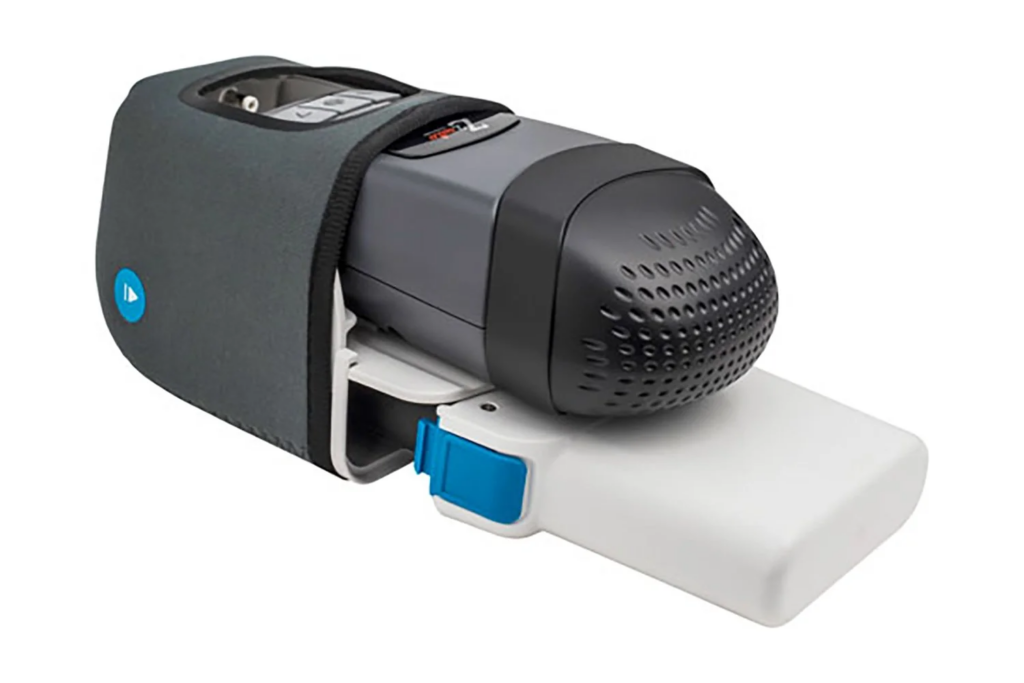
1.      Z2 Auto Travel CPAP Machine

Z2 Auto Travel CPAP Machine

The Z2 Auto Travel CPAP Machine is an excellent option for light sleepers because it contains a sound-dampening in-line muffler that keeps noise at a comfortable 26 dB. While you sleep, the Z2’s auto-adjusting pressure adjusts to your breathing needs.

 It is portable and only weighs 10.5 ounces so you can take it anywhere. It also incorporates a heat moisture exchanger and a waterless humidification system for added comfort. This lessens the possibility of waking up with a headache or dry mouth. This unique device has adjustable straps. You can control the pressure. 

This unique device has an integrated rechargeable battery that lasts for sleep duration. Isn’t that amazing?

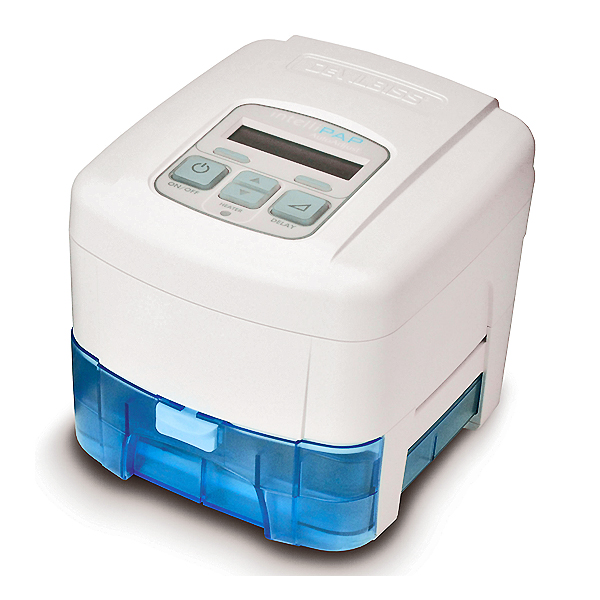
2.      DeVilbiss IntelliPAP 2 Auto Adjust CPAP

DeVilbiss IntelliPAP 2 Auto Adjust CPAP

Despite not being as well known as companies like ResMed, the IntelliPAP 2 Auto Adjust delivers a highly acclaimed but less-priced solution. Depending on your needs, the IntelliPAPI2 Auto Adjust automatically modifies the airflow pressure.

Furthermore, a built-in humidifier in the IntelliPAP 2 Auto Adjust’s high-tech, advanced CPAP machine keeps your mouth moist as you sleep. It is Bluetooth-compatible, silent, and portable enough for travel. One of the least expensive CPAP devices on the market is the IntelliPap 2 Auto Adjust. This medical equipment is lovely. 

Also, this unique CPAP machine has an AutoAdjust system with SmartFlex technology and a SmartLink App. With this CPAP device, you will experience a good life. 

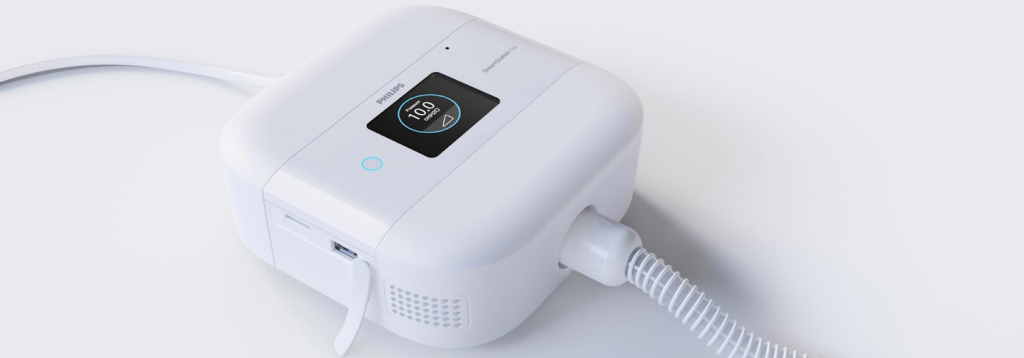
3.      Philips Respironics DreamStation Go

Philips Respironics DreamStation Go

If you’re looking for a portable, convenient CPAP machine, the Philips Respironics DreamStation is the best option. This product is among the lightest on the market and satisfies all requirements for use during flight. This feature makes the machine very useful for people who frequently travel and want to sleep soundly.

Furthermore, the DreamStation Go is perfect for travel because it is designed to cooperate with everyone’s sleeping patterns and behaviors. Modern technology is included in the DreamStation Go’s design for a more streamlined and effective user experience.

4.      Luna G3 CPAP Machine with Heated Humidifier

This is a brand-new design from 3B Medical, a company committed to innovation and quality. The recently released Luna G3 combines comfort and convenience while delivering exceptional performance and innovation.

Along with a humidifier that prevents dry mouth and sinus-style headaches, the Luna G3 CPAP also has a preheat mode that lets you warm the humidifier before bed for more comfort.

Additionally, the integrated AutoHumidity feature enables you to change your moisture levels without resulting in a rainout. Finally, the Luna G3 CPAP takes up less space on your nightstand because the modem is built into the device, yet none of its capabilities were overlooked.

5.      ResMed AirSense 10 CPAP

One of the most admired CPAP devices on the market is the ResMed AirSense 10. Like other modern devices, it has an LCD screen, allowing you to adjust the settings rapidly.

It is, however, more compact than most CPAP devices, so you could even bring it on a plane. The most significant benefit of the ResMed AirSense 10 CPAP machine is that it starts working as soon as you inhale; you don’t even need to press a start button.

6.      ResMed AirMini AutoSet Travel CPAP Machine

This tiny CPAP, which weighs just 10.56 ounces and can fit in the palm of your hand, is advertised as “the world’s tiniest CPAP.” It is so lightweight that you can take it on a plane.

Its decibel level is 30, which makes it exceptionally quiet and prevents bothering other passengers. In addition, it contains a waterless humidification system and is made to be used with various masks.

Conclusion

Dear reader, we hope you’ve seen something profound here. The ball is now in your court. With the above-listed information about CPAP machines, you can’t fall into the wrong hands. Finally, please feel free to ask questions concerning this topic. Thanks for reading!

Must Read:

© 2025 Hematology Journal

Theme by Anders NorenUp ↑