Category: Oxygen Therapy Equipment

Oxygen Concentrator Guide: Buy or Rent in Sydney, Australia

The Ultimate Guide to Choosing an Oxygen Concentrator in Australia

For individuals living with chronic respiratory conditions, maintaining independence while managing oxygen therapy is a top priority. Whether you are navigating the bustling streets of Sydney or enjoying the coastal breeze of New South Wales, understanding how to select the right oxygen concentrator is essential for your health and mobility.

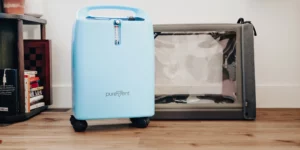
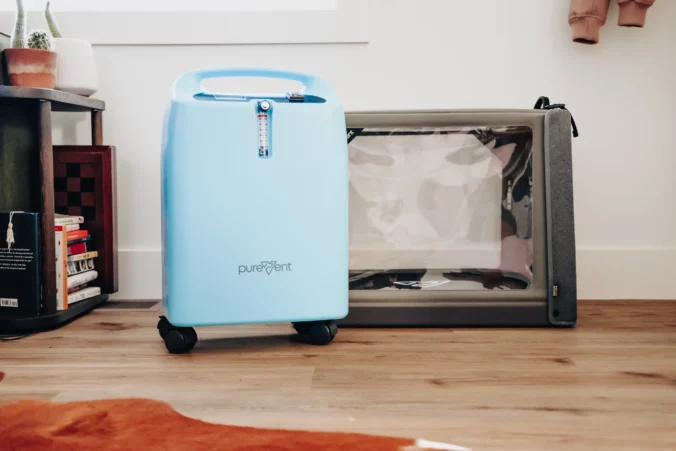
An oxygen concentrator is a medical device that filters ambient air to provide a concentrated flow of oxygen. Unlike traditional oxygen tanks, which have a finite supply and require frequent refills, these machines generate oxygen continuously as long as they have a power source.

This guide provides a deep dive into the technology, benefits, and practical steps for Sydney residents looking to buy or rent these life-changing devices.


What is an Oxygen Concentrator and How Does It Work?

At its core, an oxygen concentrator is an advanced filtration system. The air we breathe consists of approximately 21% oxygen, 78% nitrogen, and 1% other gases. The machine pulls in this room air, compresses it, and uses a molecular sieve to remove the nitrogen.

The Science of Oxygen Concentration

The device operates through a process called Pressure Swing Adsorption (PSA).

  1. Air Intake: The machine draws in air from the surrounding environment.
  2. Compression: An internal compressor increases the air pressure.
  3. Filtration: The pressurized air passes through zeolite “sieve beds” which trap nitrogen molecules.
  4. Delivery: The purified oxygen (usually 90–95% purity) is delivered to the user via a nasal cannula or mask.
  5. Purge: The trapped nitrogen is released back into the atmosphere, and the cycle repeats.

Stationary vs. Portable Oxygen Concentrator Machines

When researching where can i buy or rent a portable oxygen concentrator machine, it is vital to understand the two primary categories available on the Australian market.

1. Stationary (Home) Concentrators

These are larger units designed for 24/7 use at home. They typically offer higher flow rates (up to 5 or 10 liters per minute) and run exclusively on AC power.

  • Best for: Sleep apnea, COPD patients requiring high flow, and overnight therapy.
  • Pros: High output, lower maintenance, cost-effective for long-term use.

2. Portable Oxygen Concentrators (POCs)

POCs are lightweight, battery-operated devices designed for active lifestyles. They allow users to travel, shop, and visit family without being tethered to a home unit.

  • Best for: Travel, outdoor activities, and short errands.
  • Pros: Lightweight (often under 2.5kg), FAA-approved for flights, and compact.
FeatureStationary UnitPortable Unit (POC)
Primary PowerWall Outlet (AC)Battery / DC (Car)
Weight13kg – 25kg1.5kg – 8kg
Oxygen DeliveryContinuous FlowPulse Dose (mostly)
PortabilityLimited (Wheels)High (Shoulder Bag)

Export to Sheets


Benefits of Using an Oxygen Concentrator

Transitioning from compressed gas cylinders to a concentrator offers several physiological and lifestyle advantages.

  • Continuous Supply: You never have to worry about “running out” of oxygen or waiting for a delivery driver to swap cylinders.
  • Enhanced Mobility: Portable models empower users to maintain their social lives and travel across Australia or internationally.
  • Safety: Concentrators do not store high-pressure gas, significantly reducing the risk of leaks or fire hazards compared to traditional tanks.
  • Cost-Efficiency: While the upfront cost is higher, the long-term savings on refills and delivery fees are substantial.

Real-World Use Cases: Living in Sydney with Oxygen
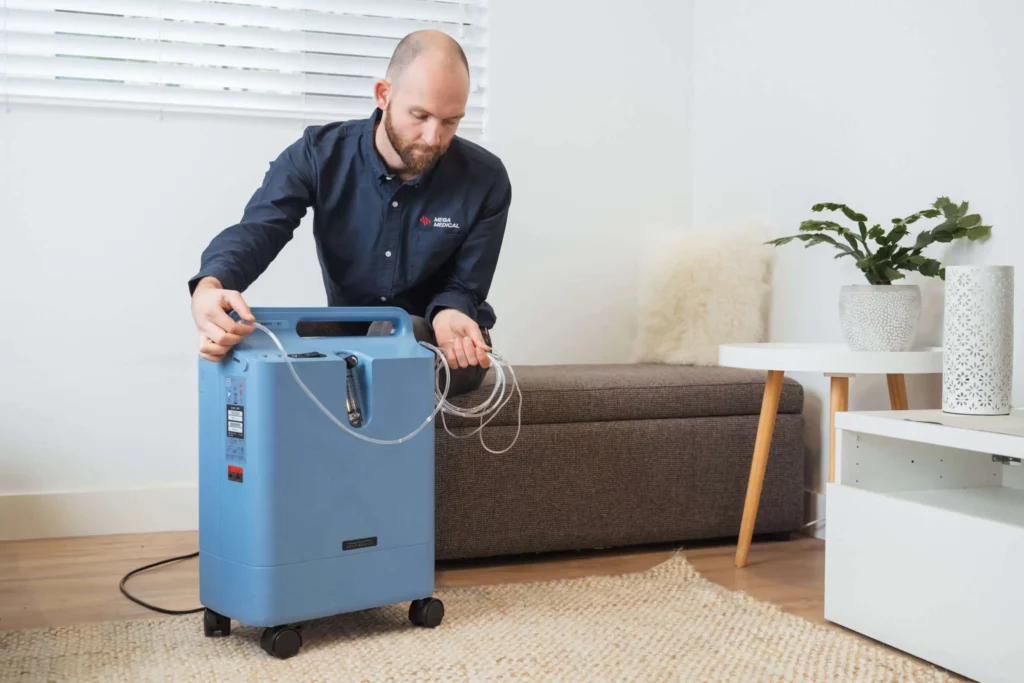
oxygen concentrator

Managing the Sydney Commute

For a resident in the Inner West or North Shore, using a POC means you can comfortably take the ferry across Sydney Harbour or use the Sydney Trains network. Modern POCs fit discreetly under a seat and provide enough battery life for a full day out.

High-Altitude Travel

If you are planning a trip to the Blue Mountains or flying out of Sydney Kingsford Smith Airport, a POC is essential. Most major airlines allow specific FAA-approved models, ensuring your oxygen levels remain stable during cabin pressure changes.


How to Choose the Right Machine: A Step-by-Step Framework

Selecting an oxygen concentrator is a clinical decision that should be made in consultation with a respiratory specialist. Follow these steps:

Step 1: Confirm Your Prescription

Your doctor will specify your required flow rate (Liters Per Minute) and whether you need Continuous Flow or Pulse Dose. Pulse dose delivers oxygen only when you inhale, whereas continuous flow provides a steady stream regardless of your breathing pattern.

Step 2: Evaluate Your Activity Level

If you rarely leave the house, a stationary unit is sufficient. However, if you enjoy walking through the Royal Botanic Garden or traveling, a POC with a “Pulse Dose” setting is more practical.

Step 3: Check Battery Life and Power Options

Look for machines that offer “External Battery” options. In Australia, ensure the device is compatible with 240V AC power and includes a 12V DC adapter for use in cars or caravans.

Step 4: Noise Level and Size

For home use, noise (measured in decibels) is a major factor. Look for units rated under 45 dBA to ensure a quiet environment for sleeping.


Where Can I Buy or Rent a Portable Oxygen Concentrator Machine?

If you are located in Sydney or wider Australia, you have several reputable options for sourcing equipment.

Buying vs. Renting

  • Buying: Best for long-term chronic conditions (COPD, Interstitial Lung Disease). It offers the lowest cost-per-year and the convenience of ownership.
  • Renting: Ideal for short-term recovery after surgery, palliative care, or testing a specific model before committing to a purchase.

Sourcing in Sydney

  1. Specialist Medical Suppliers: Look for providers in medical hubs like Westmead, Randwick, or Kogarah. These suppliers often provide in-person fittings and demonstrations.
  2. Online National Retailers: Many Australian companies offer overnight shipping to Sydney and provide comprehensive warranties and local service centers.
  3. Hire Services: Short-term hire is readily available for travelers visiting Sydney who do not want to transport their own heavy equipment.

Internal Linking Suggestions:

  • Anchor Text: “portable oxygen concentrator rental Sydney”
  • Anchor Text: “best home oxygen concentrators for COPD”
  • Anchor Text: “oxygen concentrator maintenance tips”

Common Mistakes to Avoid

  • Buying Without a Prescription: Oxygen is a drug. Using it without professional guidance can lead to oxygen toxicity or under-treatment.
  • Ignoring Sieve Bed Longevity: Sieve beds are a consumable part. Ensure the model you buy allows for easy replacement of these filters.
  • Overlooking the Weight: A machine that feels light for five minutes might feel heavy after an hour. Always check the total weight including the battery.
  • Purchasing from Unverified Overseas Sellers: Ensure your device is TGA (Therapeutic Goods Administration) approved for use in Australia to guarantee safety and after-sales support.

Frequently Asked Questions (FAQ)

1. Does Medicare or the NDIS cover oxygen concentrators in Australia?

Yes, depending on your clinical needs and eligibility. The NDIS may fund a concentrator if it is deemed “reasonable and necessary” for your disability. Many state-based programs (like the NSW Spectacles and Aids Program) also offer assistance.

2. Can I use a portable oxygen concentrator on a plane?

Most POCs are FAA-approved. However, you must notify your airline at least 48 hours in advance and usually carry enough battery life to cover 150% of your flight duration.

3. How long do the batteries last on a portable unit?

Battery life varies by flow setting. On a low setting (Pulse 1 or 2), many modern POCs can last 4 to 8 hours on a single charge.

4. Do I need to refill an oxygen concentrator?

No. Unlike oxygen tanks, concentrators do not store oxygen. They produce it from the surrounding air, so they never need refilling.

5. How often do I need to clean the filters?

Most machines have a gross particle filter that should be washed with warm soapy water once a week. The internal HEPA filters are usually replaced during annual servicing.


Conclusion: Take Control of Your Respiratory Health

Choosing the right oxygen concentrator is a significant step toward reclaiming your independence. By understanding the difference between stationary and portable models, and knowing where to buy or rent a portable oxygen concentrator machine in Sydney, you can ensure your therapy fits your lifestyle—not the other way around.

Portable Oxygen Concentrator Price Guide: What You Should Expect

What Are Portable Oxygen Concentrators and Why Do Their Prices Matter?

Portable oxygen concentrators (POCs) are medical devices that deliver supplemental oxygen therapy whilst allowing users to maintain mobility and independence. Unlike traditional oxygen tanks, these compact units extract oxygen from ambient air and concentrate it for therapeutic use, making them ideal for travel, daily activities, and active lifestyles.

Understanding the portable oxygen concentrator price guide becomes essential when you’re investing in your health and quality of life. POCs represent a significant financial commitment, with prices ranging from under £1,600 to over £3,200 depending on features and capabilities. Without proper knowledge of what drives these costs, you risk either overpaying for features you don’t need or purchasing an inadequate unit that fails to meet your oxygen therapy requirements.

The POC cost overview varies dramatically based on several factors:

  • Weight and portability features
  • Battery life and power options
  • Oxygen delivery technology (pulse flow vs. continuous flow)
  • Advanced adaptive systems that adjust to your breathing patterns
  • FAA approval for air travel

When buying a portable oxygen concentrator, knowing which price bracket aligns with your medical needs and lifestyle demands helps you make a confident, informed decision. The right POC balances affordability with the specific features your oxygen therapy prescription requires, ensuring you neither compromise on essential functionality nor waste money on unnecessary extras.

What Price Ranges Can Buyers Expect for Portable Oxygen Concentrators?

POC price ranges typically span from under £1,600 to over £3,200, with distinct features and capabilities at each tier. The market segments into four clear categories based on functionality and technological sophistication.

Under £1,600: Entry-Level Affordability

Affordable oxygen concentrators in this bracket deliver essential pulse-flow oxygen therapy without premium features. These FAA-approved units weigh under 2.3 kg and provide reliable oxygen delivery for basic mobility needs. Demo units and certified pre-owned Inogen models frequently appear in this price category, offering budget-conscious buyers access to trusted brands at reduced costs.

£1,600 to £2,400: Smart Technology Integration

This mid-range segment introduces intelligent oxygen delivery systems that adapt to breathing patterns. Models like the Inogen One Rove 4, OxLife Liberty2, and CAIRE FreeStyle Comfort feature advanced pulse technologies including Intelligent Delivery, SmartDose, and autoSAT capabilities. These concentrators weigh less than 1.4 kg whilst delivering more sophisticated oxygen management than entry-level alternatives.

£2,400 to £3,200: Premium Performance

Premium POC prices reflect enhanced battery capacity and extended operational capabilities. The Inogen Rove 6, OxLife Independence, and CAIRE Eclipse 5 exemplify this category with dual battery options, increased pulse settings, and versatile AC/DC power switching for seamless transitions between home and vehicle use. These units support active lifestyles with longer runtime between charges.

Over £3,200: Comprehensive Therapy Bundles

The highest price tier encompasses complete oxygen therapy solutions combining portable units with stationary home concentrators. Bundles like the Inogen Rove 6 + GS-100 package include carrying cases, cannulas, and multiple power supplies for round-the-clock oxygen support. These comprehensive systems eliminate the need for separate day and night equipment purchases.

How Do Features and Technology Advancements Influence the Prices of Portable Oxygen Concentrators?

POC features affecting cost directly correlate with the device’s capabilities and user convenience. Weight stands as one of the most significant price determinants—units under 3 lbs command premium prices due to advanced engineering and compact component design.

Battery life dramatically impacts pricing structures. Single-battery systems with 3-4 hours of operation cost substantially less than dual-battery configurations offering 8+ hours of continuous use. However, choosing the perfect battery backup for an oxygen concentrator requires understanding that extended battery life necessitates sophisticated power management systems and higher-capacity cells, both adding to manufacturing costs.

Pulse settings variety affects the final price point. Basic models with 3-5 pulse settings serve straightforward oxygen needs at lower costs. Devices offering 6+ settings provide finer oxygen delivery control, requiring more complex internal mechanisms and calibration systems.

Continuous flow capability represents a major cost factor. Pulse-flow-only devices maintain lower price points, whilst dual-flow systems (pulse + continuous) incorporate additional compressor technology and power requirements, pushing prices into higher brackets.

Advanced POC technology introduces intelligent oxygen delivery systems that justify premium pricing through enhanced user benefits:

  • Intelligent Delivery Technology (Inogen) analyses breathing patterns in real-time, adjusting oxygen bolus size and timing for optimal absorption
  • SmartDose Technology (Drive DeVilbiss) monitors respiratory rates and automatically compensates for increased activity levels
  • autoSAT Systems (CAIRE) detect altitude changes and adjust oxygen output accordingly without manual intervention
  • autoDOSE Features respond to emergency situations by increasing oxygen delivery when rapid breathing patterns are detected

These adaptive pulse modes utilise sophisticated sensors, microprocessors, and algorithms that continuously monitor user needs. The research, development, and precision manufacturing required for these systems contribute significantly to higher price tags, yet they deliver measurable improvements in oxygen saturation levels and user quality of life. Such advancements are supported by studies highlighting the importance of advanced technology in improving patient outcomes, which further justifies the premium pricing associated with these features. Furthermore, the integration of advanced sensor technology in these devices has been extensively researched, as detailed in this study on sensor technology, showcasing how these innovations play a crucial role in enhancing the functionality of portable oxygen concentrators. Click here to get more about the best CPAP mask brands.

What Are the Differences Between Entry-Level and Premium Portable Oxygen Concentrators?

Entry-level models under $2,000 deliver basic pulse-flow oxygen therapy with standard settings, typically weighing under 5 lbs and offering FAA approval for air travel. Premium units priced above $3,000 incorporate sophisticated adaptive technologies, extended battery systems, and dual-flow capabilities that automatically adjust oxygen delivery based on your breathing patterns.

Entry-Level POCs

Entry-Level POCs suit patients with straightforward oxygen needs who prioritise affordability. These lightweight oxygen concentrators provide reliable pulse-dose delivery through standard settings, making them ideal for occasional travellers or those with stable oxygen requirements. Certified pre-owned Inogen models frequently appear in this category, offering proven technology at accessible price points.

Premium POCs

Premium POCs target active users requiring maximum flexibility and advanced features. These units include:

  • Intelligent Delivery systems that detect breathing patterns and adjust output accordingly
  • Dual battery configurations extending operational time beyond 8 hours
  • Auto-adjusting technologies like autoDOSE or autoSAT for emergency situations
  • AC/DC power switching enabling seamless transitions between home and vehicle use

Budget-conscious buyers managing stable conditions benefit from entry-level options, whilst frequent travellers and those with variable oxygen needs justify premium investments. The Portable Oxygen Concentrator Price Guide: What You Should Expect reveals that entry-level vs premium POCs differ significantly in automation capabilities, with premium models reducing manual adjustments through smart oxygen delivery algorithms.

portable oxygen concentrator price

How Should Buyers Evaluate Accessories When Considering the Price of Portable Oxygen Concentrators?

POC accessories cost can add hundreds of pounds to your initial investment. Many manufacturers include basic items like a standard carrying case and AC power supply, but essential extras often require separate purchases that impact your total budget.

Carrying cases for oxygen concentrators vary from basic padded bags (£30-£80) to premium backpacks with ergonomic straps and multiple compartments (£100-£200). The choice depends on your mobility needs and travel frequency.

Additional power supplies represent another significant expense:

  • DC car adapters: £50-£120 for vehicle charging
  • Extra batteries: £150-£400 per battery, depending on capacity
  • External battery chargers: £80-£150 for charging batteries independently

Replacement cannulas, filters, and tubing may seem minor at £10-£30 each, yet these consumables require regular replacement every 2-6 months. Some suppliers bundle these items at discounted rates, whilst others charge individually. Requesting a complete accessory breakdown before purchase reveals the true ownership cost beyond the concentrator’s sticker price.

Conclusion

Choosing the right portable oxygen concentrator requires balancing your clinical requirements with financial realities. Your oxygen prescription, lifestyle demands, and daily activity levels should guide your decision more than price alone.

Start by identifying must-have features—whether that’s extended battery life for travel, continuous flow capability, or lightweight portability. Then evaluate models within your budget that meet these core needs. The cost vs features balance in POCs varies significantly, from basic units under £1,500 to comprehensive bundles exceeding £3,000.

Don’t rush this investment. Consult your healthcare provider about your specific oxygen needs, request demonstrations from suppliers, and read verified user reviews. Many retailers offer financing options or certified pre-owned units that make quality POCs more accessible.

Ready to find your ideal portable oxygen concentrator? Contact our oxygen therapy specialists today for personalised recommendations based on your prescription and lifestyle requirements.

FAQs About Portable Oxygen Concentrators and Their Prices

1. What is a portable oxygen concentrator (POC)?
A POC is a compact medical device that extracts and concentrates oxygen from ambient air, providing supplemental oxygen therapy while allowing mobility and independence.
2. Why do POC prices matter?
POCs are a significant financial investment. Knowing price ranges helps buyers choose a unit that meets medical needs without overpaying for unnecessary features.
3. What price ranges can buyers expect for POCs?
Under £1,600: Entry-level pulse-flow models
£1,600–£2,400: Mid-range units with smart oxygen delivery
£2,400–£3,200: Premium devices with extended battery life and dual-flow options
Over £3,200: Comprehensive therapy bundles including portable and home units
4. How do features affect POC prices?
Factors include weight, battery life, oxygen delivery type (pulse vs. continuous), adaptive technology, and FAA approval for air travel.
5. What are entry-level POCs suitable for?
Entry-level models suit users with stable oxygen needs, occasional travel, and basic therapy requirements, offering affordability and essential functionality.
6. What do premium POCs offer?
Premium units provide intelligent oxygen delivery, dual batteries for long operation, auto-adjusting features, and dual-flow capability for active lifestyles and variable oxygen needs.
7. How does battery life impact pricing?
Longer battery life requires higher-capacity cells and sophisticated power management, increasing device cost but offering extended mobility for travel or outdoor use.
8. What role does oxygen delivery technology play in price differences?
Advanced pulse delivery systems, autoDOSE, autoSAT, and adaptive technologies improve oxygen absorption but add to manufacturing complexity and cost.
9. What accessories influence the total cost of a POC?
Carrying cases, additional batteries, DC car adapters, external chargers, and replacement cannulas or filters can add hundreds of pounds to the initial investment.
10. Why is FAA approval important for POCs?
FAA approval ensures the device is safe for air travel, a critical factor for frequent flyers or patients who need mobility without interruptions to oxygen therapy.

© 2026 Hematology Journal

Theme by Anders NorenUp ↑