Category: Sleep Testing

Sleep Test Adelaide: Clinic vs Home Testing Compared

This guide compares clinic and home testing in practical terms, so they can choose the option that fits their situation.

What is a sleep test trying to diagnose?

A sleep test Adelaide service is primarily used to diagnose obstructive sleep apnoea (OSA), a condition where the airway narrows or collapses during sleep. Depending on the type of study performed, it can also help assess central sleep apnoea, periodic limb movement disorder, and certain parasomnias.

The purpose of testing is to measure breathing patterns, oxygen levels, and sleep stages to determine whether symptoms have an underlying medical cause and to assess the severity of the condition.

What happens in a clinic sleep study in Adelaide?

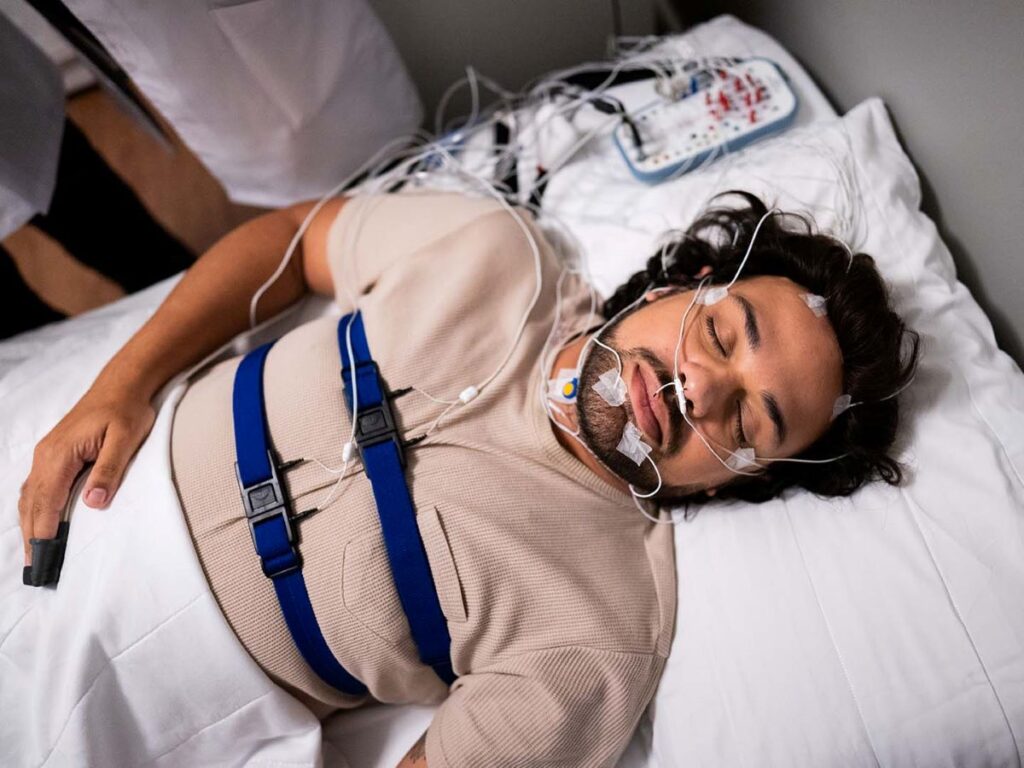
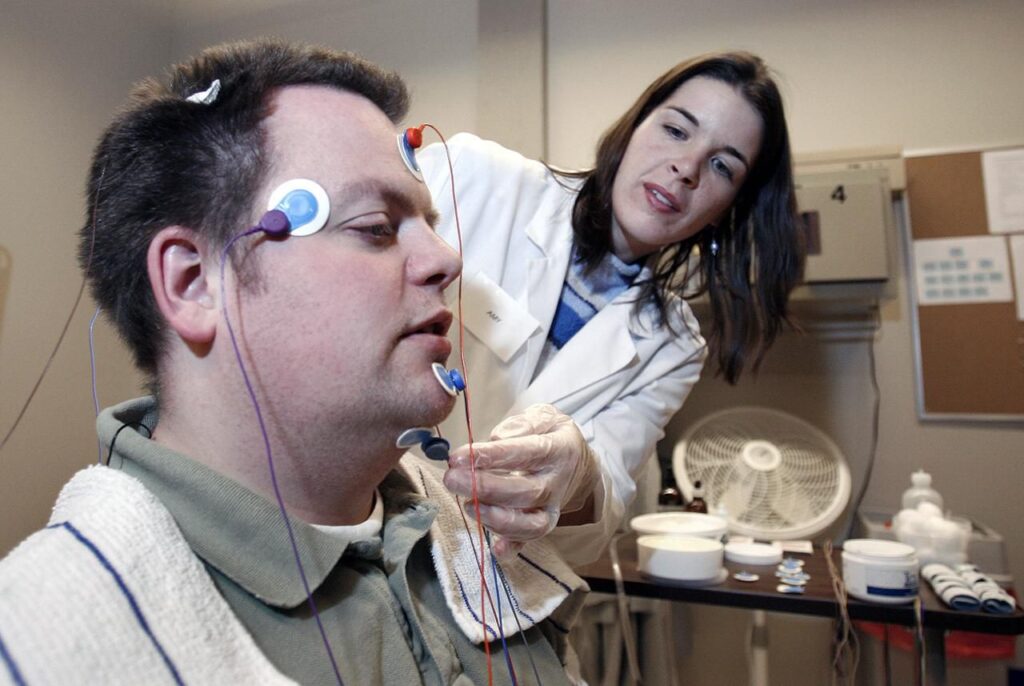
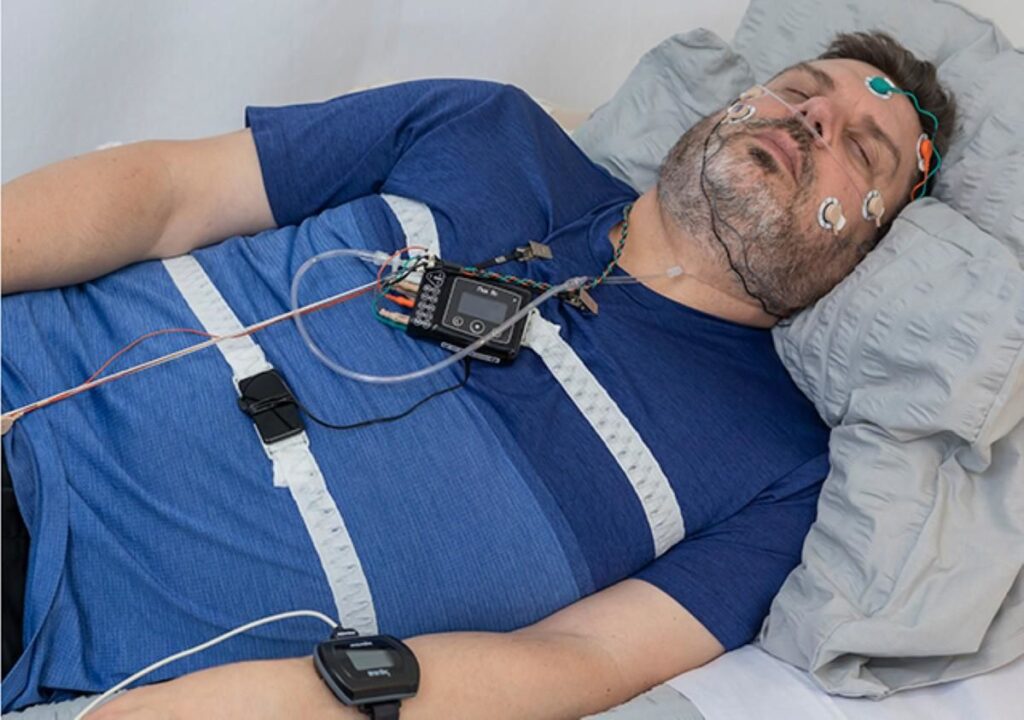
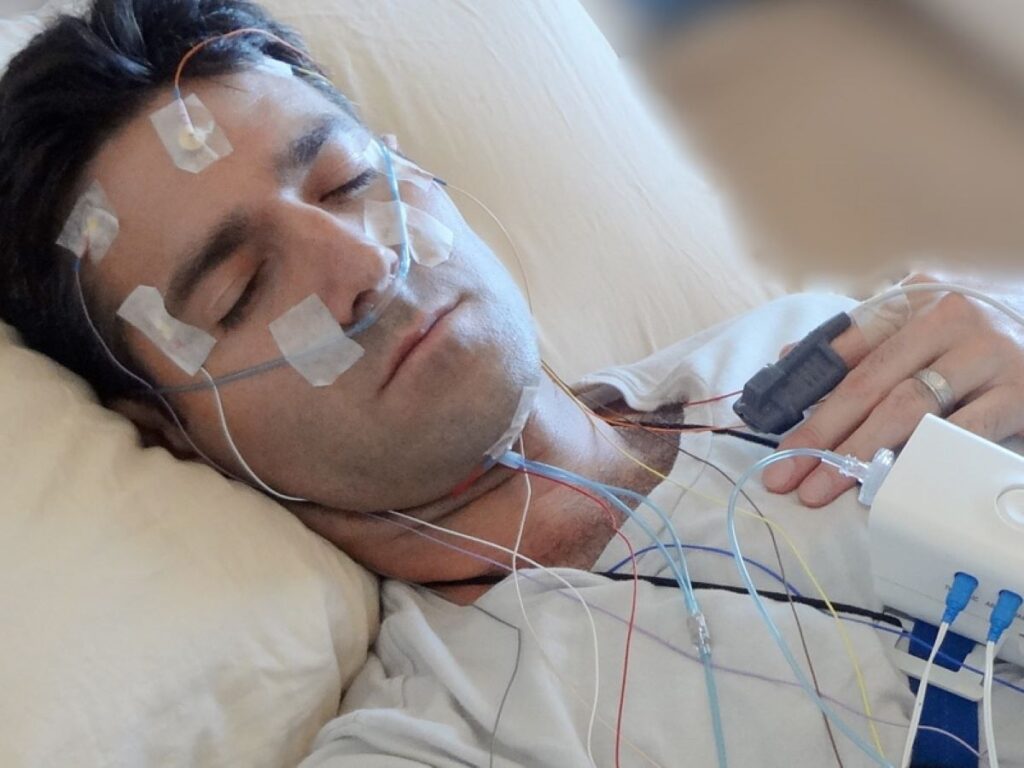
A clinic sleep study (often called an in-lab polysomnography) is done overnight in a sleep clinic or hospital setting. They are fitted with multiple sensors that monitor brain activity, eye movement, muscle tone, breathing effort, airflow, heart rhythm, oxygen saturation and sometimes limb movement.

Because the setup captures a wide range of data, clinic studies can diagnose complex sleep problems and clarify unclear cases. A trained technologist can also adjust sensors overnight, which improves data quality.

What happens in a home sleep test in Adelaide?

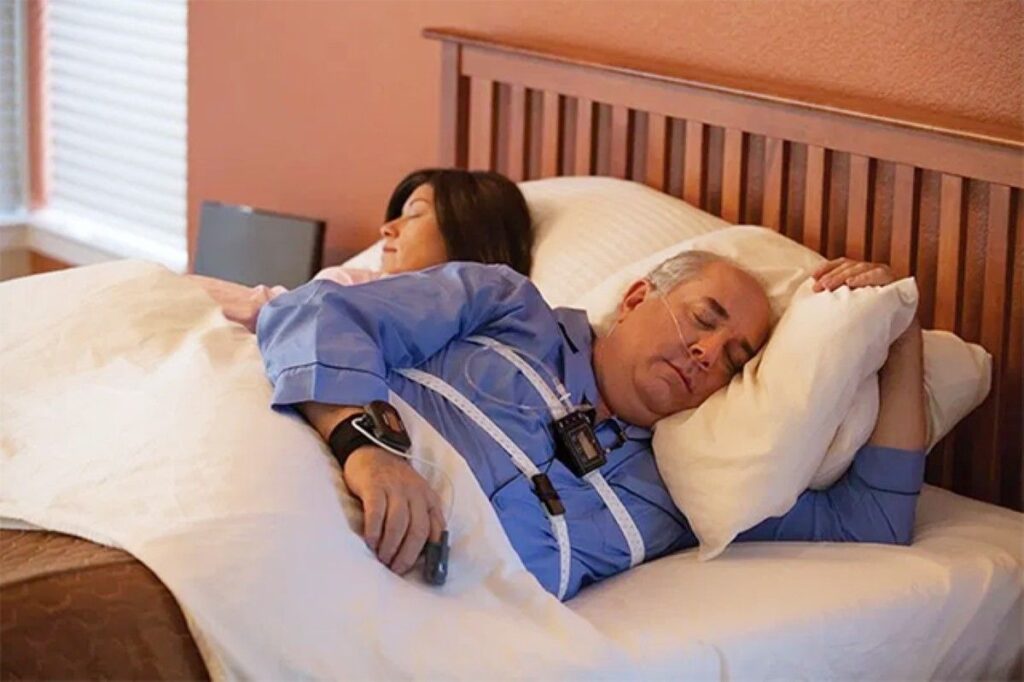
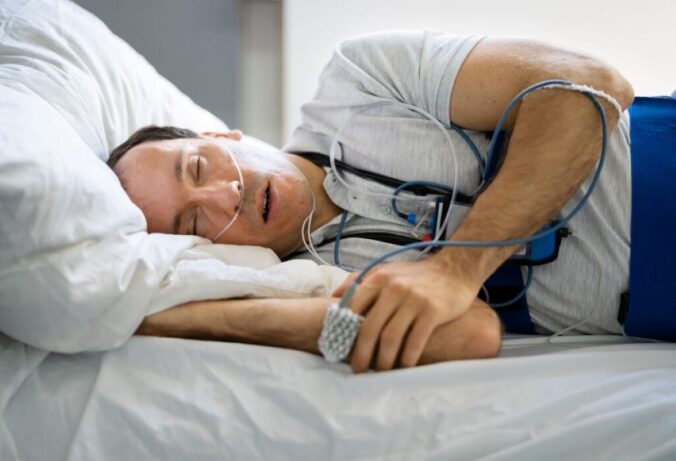
A home sleep test is performed in their own bed using a portable device supplied by a provider. Most home tests measure airflow, breathing effort, oxygen saturation and pulse, and sometimes snoring and body position.

It is typically simpler to set up and more comfortable than a clinic stay. Home tests are commonly used when OSA is strongly suspected and they do not have signs suggesting other sleep disorders.

Which option is more accurate: clinic or home testing?

Clinic testing is generally the most comprehensive and is considered the reference standard for diagnosing sleep disorders. It measures actual sleep stages and can separate “awake time” from “sleep time”, which matters when calculating indices such as the apnoea-hypopnoea index (AHI).

Home testing can be accurate for straightforward, moderate-to-severe OSA, but it may underestimate severity in some people, especially if they have insomnia, fragmented sleep or milder disease.

Who is home testing best suited to?

Home testing often suits people with a high likelihood of obstructive sleep apnoea and relatively uncomplicated health profiles. It can be a practical first step when their main symptoms are loud snoring, witnessed breathing pauses and excessive daytime sleepiness.

It also suits those who sleep poorly outside their own environment, have caregiving responsibilities, or want a quicker, more convenient pathway to an initial diagnosis.

Who is clinic testing best suited to?

Clinic testing is often better when symptoms are complex, risks are higher, or previous testing was inconclusive. It is commonly recommended if they have significant heart or lung disease, suspected central sleep apnoea, neuromuscular conditions, or symptoms that could indicate other disorders.

It can also be preferred when the clinician needs detailed sleep staging data, or when safety and supervision overnight are important.

What are the biggest pros and cons of a clinic sleep study?

A clinic sleep study’s main advantage is depth of data and diagnostic clarity. It can capture sleep stages, arousals and multiple signals that help identify conditions beyond obstructive sleep apnoea.

The main downsides are inconvenience and comfort. Sleeping in a clinic with many sensors can feel unnatural, and availability may involve longer waiting times. Costs can also be higher depending on provider and funding pathways.
Sleep Test Adelaide

What are the biggest pros and cons of a home sleep test?

The biggest advantage of a home sleep test is comfort and convenience. They sleep in their own bed, and the process is usually easier to schedule. It can also be more affordable in many cases.

The main limitation is reduced data. Home tests may miss certain disorders, can fail if sensors are applied incorrectly, and may underestimate severity because they often cannot reliably confirm actual sleep time.

How much do sleep tests cost in Adelaide?

Costs vary widely depending on whether the test is arranged privately, through a hospital service, or with health fund support. Clinic studies often cost more because they involve staffing, specialised equipment and overnight supervision.

Home tests are often cheaper, but pricing depends on inclusions such as consultation fees, reporting, follow-up and whether the device is a basic screening unit or a more advanced system. They should confirm the total cost upfront, including the report and any review appointment.

How long does it take to get results and start treatment?

Home testing can sometimes lead to faster results because it is easier to schedule. Some providers can supply a device quickly, then issue a report after the equipment is returned and data is analysed.

Clinic studies can take longer due to limited beds and scheduling, though result timelines still depend on the clinic’s workflow. In both cases, treatment speed also depends on whether they need further assessment, a CPAP trial, or additional testing to confirm the diagnosis.

Can they get CPAP based on a home sleep test?

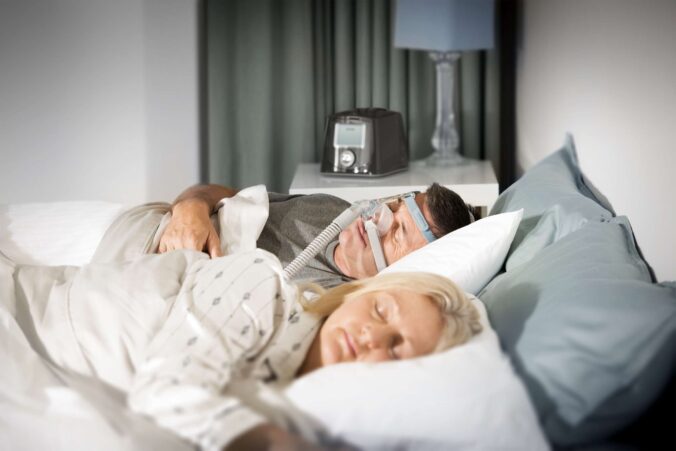
In many straightforward cases of obstructive sleep apnoea, a home sleep test report can support starting CPAP therapy. The exact pathway depends on the diagnosing clinician and the provider’s protocols.

Some people may still need a clinic-based CPAP titration study, especially if initial treatment does not relieve symptoms, pressures are difficult to optimise, or there are concerns about complex sleep apnoea.

Other Resources : Changes to Diagnostic Services for Sleep Disorders

What questions should they ask before booking a sleep test in Adelaide?

They should ask what the test can and cannot diagnose, and whether clinic testing is recommended based on their symptoms and medical history. It also helps to ask who interprets the results and whether it is reviewed by a sleep physician.

They should also confirm total costs, what follow-up is included, how long results take, what happens if the test fails, and what treatment support is offered after diagnosis. Check out more about sleep test Sydney: how to choose the right provider.

So, should they choose a clinic sleep study or a home sleep test?

If they likely have uncomplicated obstructive sleep apnoea and want a convenient first step, home testing may be a sensible option. If symptoms are complex, risks are higher, or they need the most detailed assessment, a clinic sleep study is usually the better choice.

The most reliable approach is for them to discuss symptoms and medical history with a GP or sleep clinician first, then match the test type to the clinical question they are trying to answer.
Sleep Test Adelaide

FAQs (Frequently Asked Questions)

What is the primary purpose of a sleep test in Adelaide?

A sleep test in Adelaide is mainly used to diagnose obstructive sleep apnoea (OSA), where the airway narrows or collapses during sleep. It also helps assess other conditions like central sleep apnoea, periodic limb movements, and certain parasomnias depending on the test type, by measuring breathing, oxygen levels, and sleep patterns to confirm symptoms and their severity.

How does a clinic sleep study in Adelaide work?

A clinic sleep study, or in-lab polysomnography, is conducted overnight at a sleep clinic or hospital. Multiple sensors monitor brain activity, eye movement, muscle tone, breathing effort, airflow, heart rhythm, oxygen saturation, and sometimes limb movement. This comprehensive setup allows diagnosis of complex sleep problems with adjustments made overnight by trained technologists to ensure data quality.

What are the advantages of a home sleep test compared to a clinic study?

Home sleep tests offer greater comfort and convenience as they are performed in one’s own bed using portable devices. They are simpler to set up, often more affordable, and suitable for individuals with a high likelihood of uncomplicated obstructive sleep apnoea. Home tests focus on measuring airflow, breathing effort, oxygen saturation, pulse, and sometimes snoring and body position.

Which testing option is more accurate: clinic or home sleep tests?

Clinic testing is generally more accurate and considered the reference standard because it measures actual sleep stages and distinguishes awake time from sleep time. Home testing can be accurate for straightforward moderate-to-severe OSA but may underestimate severity in cases with insomnia, fragmented sleep or milder disease due to less comprehensive data capture.

Who should consider a clinic sleep study over a home test?

Clinic studies are recommended for individuals with complex symptoms, higher risks such as significant heart or lung disease, suspected central sleep apnoea, neuromuscular conditions, or when previous tests were inconclusive. They are preferred when detailed sleep staging data is needed or when overnight supervision for safety is important.

What factors should I consider before choosing between a home sleep test and a clinic study in Adelaide?

You should consider your symptoms complexity, health profile, convenience preferences, cost implications, and diagnostic needs. Home tests suit those with likely uncomplicated obstructive sleep apnoea seeking quick diagnosis at home. Clinic studies provide deeper diagnostic clarity for complex cases but may involve longer wait times and higher costs. Consulting a GP or sleep clinician helps determine the best option based on your medical history.
Sleep Test Sydney: How to Choose the Right Provider

This guide explains how to choose a sleep test provider in Sydney with fewer surprises and a clearer path to treatment.

What is a sleep test, and what does it diagnose?

A sleep test Sydney service measures breathing, oxygen levels, sleep stages, and other signals overnight to help identify sleep disorders. It is most commonly used to diagnose obstructive sleep apnoea (OSA), but depending on the type of test, it can also detect central sleep apnoea, periodic limb movement disorder, and other sleep-related conditions.

The best provider is one that matches the suspected condition with the appropriate test type and then follows through with a clinically appropriate, medically sound management plan.

Should they choose a home sleep test or an in-lab study?

Most people start with a home sleep test when OSA is the main concern and symptoms are straightforward. In-lab studies are usually better when symptoms are complex, when previous testing was inconclusive, or when other disorders are suspected.

A good Sydney provider will clearly explain why they recommend home versus lab. If they push a single option for everyone, it can be a red flag.

How can they tell if a provider is clinically credible?

They should look for medical oversight and clear reporting standards. Ideally, the test is ordered or reviewed by a qualified clinician, and results are interpreted by an appropriately trained sleep physician or specialist team.

A credible provider also supplies a copy of the report, explains the findings in plain English, and outlines next steps rather than leaving patients to guess what to do.

What questions should they ask before booking?

They should ask what the test includes, who interprets it, and what happens after results. They also need clarity on total costs, timelines, and whether follow-up is included.

Useful questions include: how many channels the home test records, whether results include AHI and oxygen desaturation data, and whether a consultation is part of the package. If answers are vague, it’s worth shopping around.

How do referrals work in Sydney, and do they need a GP?

Some providers require a GP referral, while others can organise assessment pathways directly, depending on the service model. A referral can also help with Medicare rebates in certain cases, particularly for specialist consultations and in-lab studies.

If they already have a regular GP, it’s often sensible to involve them. It creates continuity, helps rule out other causes of fatigue, and supports ongoing management. You may like to visit https://hematologyjournal.net/sleep-test-adelaide-clinic-vs-home-testing-compared/ to check out more about sleep test Adelaide: clinic vs home testing compared.

What costs should they expect, and what affects pricing?

Pricing depends on whether it’s a home test or lab study, whether a specialist consult is included, and whether there are rebates or private health cover benefits. Home studies are typically cheaper, but cheap options can become expensive if they don’t include interpretation, follow-up, or a valid pathway to treatment.

They should request an itemised quote. The “real” cost is the full journey from testing to treatment, not just the device dropped at the door.

Sleep Test Sydney

How fast should they get results, and what is a reasonable timeline?

A common benchmark is a few days to around two weeks from test night to reviewed results, depending on demand and clinical workflow. Some providers offer faster turnaround, but speed should not come at the expense of proper scoring and interpretation.

They should also check appointment availability for follow-up. Fast testing is less helpful if treatment discussions are delayed for weeks afterwards.

What should a good report and consultation include?

A strong report should include the key metrics and be easy to understand. For suspected OSA, that usually means AHI, oxygen saturation trends, time spent below key oxygen thresholds, and positional or REM-related patterns if measured.

The consultation should connect results to symptoms and risk, then recommend realistic next steps. They should feel they understand the “why”, not just the numbers.

Other Resources : Physiology, Sleep Stages – StatPearls – NCBI Bookshelf

How do they avoid conflicts of interest with CPAP sales?

Some providers both diagnose and sell CPAP equipment, which is not automatically a problem, but it can influence recommendations. A trustworthy provider explains multiple treatment options and justifies why CPAP is suggested, especially for mild cases.

They should ask whether they can take the report elsewhere if they want. If a provider resists sharing results or pressures them into buying equipment immediately, it’s a concern.

What treatment support should they expect after the test?

The best providers offer a pathway, not just a diagnosis. That might include CPAP trials and fitting support, mask coaching, troubleshooting, and follow-up checks to confirm therapy is working.

They should also discuss alternatives when appropriate, such as weight management support, positional therapy, oral appliances via a qualified dentist, or ENT review for anatomical contributors. The right provider helps them choose what they can actually stick with.

How should they choose based on their symptoms and health risks?

If they have loud snoring, witnessed pauses in breathing, morning headaches, or excessive daytime sleepiness, a provider experienced in OSA pathways is usually the priority. If they also have heart disease, stroke risk, significant lung disease, or suspected central sleep apnoea, they may need a higher level of specialist oversight and potentially an in-lab study.

They should pick a provider that is comfortable managing complexity. One-size-fits-all testing often misses important details.

What red flags suggest they should choose a different provider?

They should be cautious if pricing is unclear, reports are not shared, or results are not clinician-reviewed. Poor communication, limited follow-up options, and pressure to buy equipment quickly are also common warning signs.

Another red flag is a provider that does not screen properly before testing. Basic screening questions about symptoms, medications, and comorbidities are part of safe care.

Sleep Test Sydney

How can they make the final decision confidently?

They should shortlist two or three Sydney providers and compare them on clinical oversight, transparency, turnaround time, and follow-up support. The best choice is usually the one that explains the process clearly, provides a complete pathway, and treats them like a patient rather than a transaction.

If they want one simple rule: they should prioritise quality interpretation and aftercare over the cheapest upfront test. A sleep test only matters if it leads to better sleep and better health.

FAQs (Frequently Asked Questions)

What is a sleep test and which sleep disorders can it diagnose?

A sleep test measures breathing, oxygen levels, sleep stages, and other signals overnight to identify sleep disorders. It is most commonly used to diagnose obstructive sleep apnoea (OSA) but can also detect central sleep apnoea, periodic limb movements, and other conditions depending on the test type.

Should I choose a home sleep test or an in-lab study in Sydney?

Most people start with a home sleep test when OSA is the main concern and symptoms are straightforward. In-lab studies are usually better for complex symptoms, inconclusive previous tests, or suspected other disorders. A reputable Sydney provider will explain clearly why they recommend one option over the other.

How can I ensure my chosen sleep test provider in Sydney is clinically credible?

Look for providers with medical oversight where tests are ordered or reviewed by qualified clinicians. Results should be interpreted by trained sleep physicians or specialists. Credible providers supply clear reports, explain findings in plain English, and outline next steps for treatment.

What questions should I ask before booking a sleep test in Sydney?

Ask what the test includes, who interprets the results, what happens after receiving results, total costs, timelines, and if follow-up consultations are included. Inquire about technical details like how many channels the home test records and whether key data such as AHI and oxygen desaturation are reported.

Do I need a GP referral for a sleep test in Sydney and how do referrals work?

Some providers require a GP referral while others organise assessment pathways directly. Referrals can help access Medicare rebates especially for specialist consultations and in-lab studies. Involving your regular GP is often beneficial for continuity of care and ruling out other causes of fatigue.

What costs should I expect for sleep testing in Sydney and what affects pricing?

Costs vary depending on whether you choose a home or lab study, inclusion of specialist consultations, and eligibility for rebates or private health cover. Home studies are generally cheaper but may become costly if interpretation and follow-up aren’t included. Always request an itemised quote covering the full journey from testing to treatment.

How Sleep Apnea Impacts Your Daytime Energy and Focus

Introduction: When Sleep Isn’t Restful

Sleep is supposed to recharge your body and mind, giving you the energy to power through the day. But for millions of people with sleep apnea, nighttime rest isn’t restorative.

Sleep apnea is a disorder where breathing repeatedly stops and starts during sleep. These pauses can last several seconds or even longer, depriving the body of oxygen and forcing it to repeatedly jolt awake to resume breathing. This disrupts the natural sleep cycle, leaving you exhausted the next day — even if you think you “slept” for 8 hours.

Beyond just feeling tired, sleep apnea can sap your mental sharpness, slow your reaction times, and make it harder to focus. Over time, it can affect your work performance, relationships, and long-term health.

See more: Speech Therapy for Toddlers in the Hills District: Early Support Matters


Causes of Sleep Apnea

Understanding why sleep apnea occurs can help you see why it wreaks such havoc on your daily energy and focus.

1. Obstructive Sleep Apnea (OSA)

The most common type happens when the muscles in the back of your throat relax too much during sleep. This narrows or closes your airway, interrupting breathing.

Risk factors include:

  • Excess weight – Fat deposits around the neck and airway can block airflow.
  • Anatomy – A small jaw, large tonsils, or a thick neck can contribute.
  • Age – Older adults have reduced muscle tone in the airway.
  • Gender – Men have a higher risk, though women’s risk increases after menopause.
  • Family history – Inherited airway structure can play a role.

2. Central Sleep Apnea (CSA)

In CSA, the airway isn’t blocked — instead, the brain fails to send consistent breathing signals to the muscles. This is less common and often linked to certain heart or neurological conditions.


3. Lifestyle Triggers

Even without structural or neurological issues, certain habits can make sleep apnea worse:

  • Alcohol before bed relaxes the throat muscles.
  • Smoking irritates and inflames airway tissues.
  • Sedative medications deepen muscle relaxation.
  • Sleeping on your back can cause the tongue to fall backward.
  • Chronic nasal congestion makes breathing harder.

Example:
Marcus, 42, never thought his occasional late-night drinks and back-sleeping habit were a big deal. But combined with a 20-pound weight gain, they tipped the scale toward moderate sleep apnea.


Symptoms: More Than Just Snoring

People often think of sleep apnea as simply loud snoring. While snoring is a hallmark sign, there are many other symptoms — some obvious, others more subtle.

Obvious Symptoms

  • Loud, persistent snoring (often noticed by a partner)
  • Breathing pauses followed by choking or gasping
  • Waking up frequently throughout the night
  • Morning headaches
  • Waking with a dry mouth or sore throat

Subtle Signs That Affect Energy and Focus

  • Daytime fatigue – No matter how much you “sleep,” you wake up exhausted.
  • Brain fog – Difficulty concentrating, slow thinking, or forgetfulness.
  • Mood changes – Irritability, anxiety, or depression.
  • Poor work performance – Making mistakes, losing track of tasks, or needing extra caffeine just to function.
  • Microsleeps – Brief moments of unintended sleep during activities like reading or watching TV.

Scenario:
Janet, a 35-year-old teacher, didn’t think she had a sleep problem. She didn’t snore loudly, but she noticed she was snapping at her students, forgetting lesson plans, and drinking three cups of coffee before noon. A sleep study revealed mild sleep apnea was disrupting her deep sleep stages — the very stages essential for mental clarity.

sleep apnea

Why Sleep Apnea Steals Your Energy and Focus

When you have sleep apnea, your body keeps being pulled out of deep, restorative sleep. These frequent interruptions prevent you from getting enough slow-wave sleep (important for physical recovery) and REM sleep (important for brain function and memory).

The result?

  • Your body feels sluggish because it hasn’t repaired itself overnight.
  • Your brain struggles to process information and regulate emotions.
  • Your mood dips because the lack of quality sleep disrupts hormone balance, including cortisol and serotonin levels.

Long-term sleep disruption has been linked to reduced attention span, impaired decision-making, and even a higher risk of accidents at work or while driving.


Treatment Options: Restoring Energy and Clarity

The good news is that with the right treatment, most people see a huge improvement in daytime energy, mood, and focus.


1. CPAP Therapy

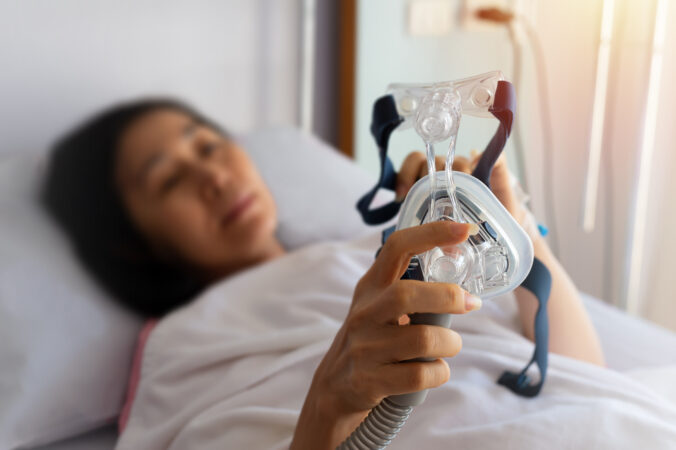
The gold standard for moderate to severe OSA. A Continuous Positive Airway Pressure machine delivers steady air pressure through a mask to keep your airway open.

Pros:

  • Highly effective at preventing apnea events.
  • Improves energy and alertness within days or weeks.

Cons:

  • Can feel uncomfortable at first.
  • Requires cleaning and nightly use.

2. Oral Appliance Therapy

A custom-made device from a dentist that repositions the jaw or tongue to keep the airway open.

Best for:

  • Mild to moderate OSA.
  • People who can’t tolerate CPAP.

Pros: Small, portable, and doesn’t require electricity.
Cons: May cause jaw soreness or tooth movement over time.


3. Lifestyle Changes

For some, lifestyle adjustments can make a huge difference — especially when combined with other treatments.

Key changes include:

  • Weight loss – Reduces pressure on the airway.
  • Limiting alcohol – Especially in the hours before bed.
  • Quitting smoking – Decreases airway inflammation.
  • Side sleeping – Prevents airway collapse.
  • Treating allergies – Improves nasal airflow.

4. Positional Therapy

Devices like special pillows or wearable sensors can help you stay on your side during sleep if back-sleeping worsens your apnea.


5. Surgery

If structural problems like enlarged tonsils or a deviated septum are to blame, surgical intervention may be an option.

Common procedures include:

  • Uvulopalatopharyngoplasty (UPPP) – Removes excess throat tissue.
  • Jaw advancement surgery – Creates more space in the airway.
  • Nasal surgery – Improves airflow.

6. Myofunctional Therapy

Exercises for the tongue and throat muscles can strengthen the airway, reducing collapses during sleep. These are especially useful in mild cases or as a complementary treatment.


Regaining Daytime Energy: What to Expect After Treatment

Once sleep apnea is treated, most people notice:

  • More consistent energy throughout the day.
  • Better focus and sharper thinking.
  • Improved mood and reduced irritability.
  • Decreased reliance on caffeine to stay awake.
  • Safer driving and work performance thanks to fewer lapses in attention.

Example:
After starting CPAP, Greg found he could get through his workday without needing a nap in his car during lunch breaks. His boss even commented on his improved productivity and attention to detail.


Conclusion: Don’t Ignore the Warning Signs

Sleep apnea isn’t just about snoring — it’s a condition that can rob you of energy, mental sharpness, and even safety during the day. If you notice unexplained fatigue, brain fog, or trouble focusing, it may be your body’s way of saying you’re not getting the restorative sleep you need.

The first step is talking to a healthcare provider or sleep specialist. With proper diagnosis and treatment, you can reclaim your energy, improve your focus, and protect your long-term health.

A good night’s sleep is not a luxury — it’s a necessity for a vibrant, productive life.

Understanding Sleep Testing: What to Expect and Why It Matters

In our fast-paced world, sleep often takes a backseat to our daily responsibilities. Understanding sleep testing can illuminate the importance of quality rest and its profound effects on overall health. This article aims to guide you through the essential facets of sleep testing, its significance, and what to expect during the process.

The Importance of Sleep Testing

Sleep testing is crucial for identifying and addressing sleep-related issues that can significantly impact one’s quality of life. By understanding the patterns and disorders associated with sleep, individuals can take actionable steps toward better health.

The Role of Sleep in Overall Health

Sleep is not merely a period of rest; it is an essential component of human health. Quality sleep aids in the recovery of body systems, supports cognitive function, and plays a significant role in emotional well-being. Lack of adequate sleep can lead to a myriad of health problems, including obesity, heart disease, diabetes, and mental health disorders.

Numerous studies have shown that insufficient sleep can impair judgment and increase stress levels. Consequently, ensuring a good night’s rest is indispensable for maintaining overall health, emphasizing the importance of sleep testing. Furthermore, the relationship between sleep and immune function is particularly noteworthy; chronic sleep deprivation can weaken the immune response, making individuals more susceptible to infections and illnesses. This underscores the need for individuals to prioritize their sleep hygiene and seek professional help when sleep issues arise.

sleep apnea

Identifying Sleep Disorders

Identifying sleep disorders through testing allows healthcare providers to diagnose conditions effectively. Common sleep disorders include sleep apnea, insomnia, restless leg syndrome, and narcolepsy. Each condition arises from different causes and presents unique symptoms.

Sleep disorders can often go undiagnosed due to a lack of awareness about their symptoms. Comprehensive sleep testing can shed light on underlying issues, enabling prompt diagnosis and treatment. By understanding these disorders, individuals can combat their effects and lead healthier lives. Moreover, the impact of sleep disorders extends beyond the individual; they can affect relationships, workplace productivity, and overall societal health. For instance, untreated sleep apnea can lead to excessive daytime sleepiness, which not only hampers personal performance but can also pose risks in high-stakes environments such as driving or operating heavy machinery. Therefore, addressing sleep disorders is not just a personal health issue but a public safety concern as well. Find more about risks on https://hrpp.research.virginia.edu/teams/irb-sbs/researcher-guide-irb-sbs/defining-risk

The Process of Sleep Testing

The process of sleep testing, often referred to as polysomnography, involves monitoring various physiological parameters that occur during sleep. This comprehensive assessment is vital for accurate diagnosis.

Preparing for a Sleep Test

Preparing for a sleep test can sometimes be daunting, but knowing what to expect can alleviate anxieties. Before the test, patients may be advised to avoid alcohol, caffeine, and certain medications that can affect sleep quality.

Additionally, it is crucial to maintain a regular sleep schedule leading up to the test. Patients will typically need to arrive at the sleep clinic in the early evening, where technicians will explain the procedure and connect various sensors to monitor body functions, including brain waves, heart rate, and breathing patterns. It is also beneficial for patients to bring along comfortable sleepwear and any personal items that might help them feel more at ease, such as a favorite pillow or blanket.

Furthermore, patients should consider discussing any specific concerns or questions with their healthcare provider prior to the test. This proactive communication can help clarify what to expect and ensure that all necessary preparations are made, ultimately contributing to a smoother experience during the sleep study.

What Happens During the Test

During the sleep test, patients are observed in a controlled environment. The setting is designed to be as comfortable as possible, allowing individuals to sleep naturally. Technicians will continuously monitor the data collected, which includes brain activity, oxygen levels, heart rate, and eye movements. To learn more about oxygen click here.

The sleep study records these metrics throughout the night, providing vital information about the sleep cycles and any disturbances that may occur. This data will be essential for interpreting the results later on. In addition to the physiological monitoring, patients may be asked to complete sleep diaries leading up to the test, detailing their sleep habits and any symptoms they experience. This information can provide further context for the technicians and doctors analyzing the data.

Moreover, some sleep centers may utilize advanced technology, such as video monitoring, to observe physical movements during sleep. This can help identify conditions like sleepwalking or periodic limb movement disorder. The combination of these various assessments creates a comprehensive picture of the patient’s sleep health, which is crucial for developing an effective treatment plan tailored to their specific needs.

Interpreting Sleep Test Results

Once the sleep test is complete, the collected data is analyzed to provide insights into the patient’s sleep patterns. Understanding these results is key to determining the appropriate treatment options.

Understanding the Metrics

The results of a sleep test often include various metrics, such as sleep latency (the time it takes to fall asleep), total sleep time, sleep efficiency, and the percentage of time spent in each sleep stage (light, deep, REM). These metrics provide a comprehensive view of the individual’s sleep architecture and the quality of their rest.

Interpreting these metrics can reveal significant insights about variability in sleep stages and the presence of any sleep disorders. Understanding these findings can empower individuals to make informed decisions regarding their sleep health. For instance, a prolonged sleep latency may indicate underlying anxiety or stress, while low sleep efficiency could suggest frequent awakenings during the night, which can be symptomatic of various sleep disturbances. By correlating these metrics with lifestyle factors such as caffeine intake, exercise habits, and daily stressors, individuals can gain a clearer picture of how their daily routines impact their sleep quality.

Potential Sleep Disorders Detected

Sleep testing can identify several potential disorders, each requiring unique management strategies. Sleep apnea, characterized by repeated interruptions in breathing during sleep, is one of the most common disorders detected.

Other potential conditions include periodic limb movement disorder and parasomnias (abnormal behaviors during sleep). Early identification of these disorders significantly improves treatment efficacy and can prevent long-term health complications. For example, untreated sleep apnea can lead to serious cardiovascular issues, including hypertension and heart disease, while periodic limb movement disorder can cause significant daytime fatigue and impact overall quality of life. Furthermore, understanding the specific characteristics of parasomnias, such as sleepwalking or night terrors, can help caregivers implement safety measures and develop appropriate intervention strategies. This proactive approach not only enhances the patient’s sleep experience but also fosters a more supportive environment for their overall health and well-being.

The Impact of Sleep Testing on Treatment Plans

Sleep testing plays a pivotal role in developing individualized treatment plans tailored to each patient’s needs. Understanding the specific sleep disorder equips healthcare providers with the information needed to recommend the most effective interventions. With the rise of sleep disorders being linked to various health issues, such as obesity, cardiovascular diseases, and mental health disorders, the importance of accurate sleep testing cannot be overstated. It serves as a critical first step in addressing not just the symptoms, but also the underlying health concerns that may be exacerbated by poor sleep.

Section Image

Tailoring Treatments Based on Test Results

Treatment plans may include lifestyle changes, behavioral therapy, oral appliances, or Continuous Positive Airway Pressure (CPAP) therapy in the case of sleep apnea. The effectiveness of these treatments often relies on accurate diagnosis through sleep testing, allowing for targeted strategies that address the root causes of sleep issues. For instance, a patient diagnosed with insomnia may benefit from cognitive behavioral therapy for insomnia (CBT-I), which focuses on changing sleep habits and misconceptions about sleep, rather than simply prescribing medication. This nuanced approach not only alleviates the immediate symptoms but also empowers patients with tools to manage their sleep health long-term.

Incorporating findings from sleep tests into treatment allows for a personalized approach, which can result in improved sleep quality and overall health outcomes. Furthermore, as patients engage in their treatment plans, they often report enhanced daytime functioning, increased productivity, and better emotional regulation, all of which contribute to a higher quality of life. The ripple effects of effective sleep management extend beyond the individual, positively impacting families and communities by fostering healthier interactions and reducing the burden of sleep-related health issues.

The Role of Continuous Monitoring

In some circumstances, ongoing monitoring may be necessary to assess the effectiveness of treatment. Continuous monitoring can uncover changes in sleep patterns and help adjust therapies as needed. This can be particularly crucial for patients who experience fluctuating symptoms or those who may develop new sleep-related issues over time. By utilizing wearable technology or home sleep monitoring devices, healthcare providers can gain real-time insights into a patient’s sleep behavior, allowing for timely interventions that can prevent the escalation of sleep disorders.

This proactive approach ensures that individuals can achieve optimal sleep health over time, reinforcing the importance of regular follow-ups and assessments following an initial sleep test. Additionally, continuous monitoring fosters a collaborative relationship between patients and healthcare providers, where patients feel more engaged in their treatment journey. This partnership can lead to greater adherence to prescribed therapies and a more profound understanding of how lifestyle choices impact sleep, ultimately cultivating a culture of health that prioritizes restorative sleep as a fundamental component of overall well-being.

Frequently Asked Questions About Sleep Testing

As awareness of sleep testing grows, so do the questions surrounding the procedure. Addressing common concerns can help demystify the process for many individuals considering testing.

Common Concerns and Misconceptions

One common misconception about sleep testing is that it is uncomfortable or invasive. In reality, sleep studies are designed to be non-intrusive, allowing patients to sleep in a familiar environment. Another concern is the fear of being monitored, but most sleep clinics strive to create a relaxed atmosphere that prioritizes patient comfort.

Furthermore, many believe that sleep testing is only for severe sleep issues. However, even mild symptoms can warrant a sleep study, as early diagnosis can prevent the progression of potential disorders.

Preparing for Your First Sleep Test

Preparing for your first sleep test can contribute significantly to a positive experience. Being well-informed about the procedures and guidelines is crucial. Bring comfortable clothing, and ensure you have any necessary medications at hand.

Talking openly with healthcare providers about any concerns or symptoms before the test can also enhance preparedness. By entering the process with knowledge and confidence, individuals can optimize their sleep testing experience, paving the way for better sleep health in the future.

© 2026 Hematology Journal

Theme by Anders NorenUp ↑