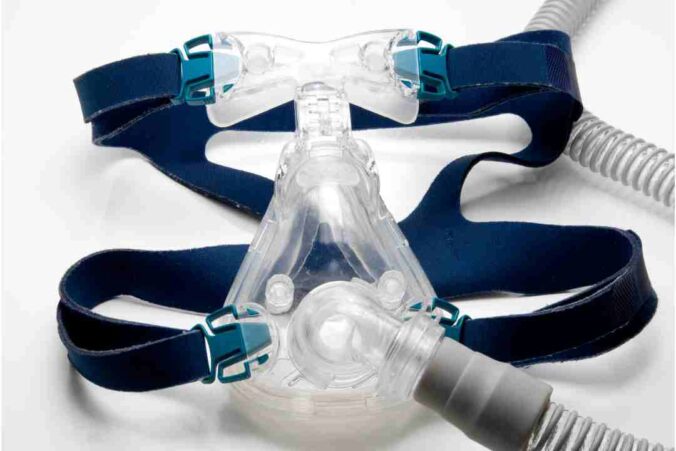
If you’re using a CPAP machine to manage sleep apnoea, choosing the right CPAP mask is just as important as selecting the machine itself. A poorly fitting or uncomfortable CPAP mask can compromise your sleep quality and the effectiveness of your therapy. For Australians seeking better sleep and overall health, this comprehensive review will guide you through finding the best CPAP masks to enhance comfort and sleep quality.
Why the Right CPAP Mask Matters for Sleep Quality
Your CPAP mask serves as the interface between you and your CPAP therapy. Even with the best CPAP machine, a mask that is uncomfortable, leaks, or doesn’t fit properly can cause discomfort and disrupt your sleep. It’s essential that the mask seals well, provides comfort throughout the night, and stays in place. A good CPAP mask improves your therapy adherence, ensuring that you get the most out of your treatment. In Australia, a wide range of CPAP masks is available, so you can find the one that suits your needs perfectly.
What to Look for When Buying CPAP Masks in Australia
Before you buy CPAP masks in Australia, there are several important features to consider to ensure comfort, effectiveness, and durability.
1. Fit and Seal Quality
A good CPAP mask should fit snugly but not cause discomfort. Look for masks with a flexible seal that adapts to your facial contours. Masks with memory foam cushions or advanced silicone seals tend to provide a better seal, preventing leaks and ensuring a good night’s sleep.
2. Mask Style: Full Face, Nasal, or Pillow
CPAP masks come in various styles, each suited to different sleep patterns and preferences:
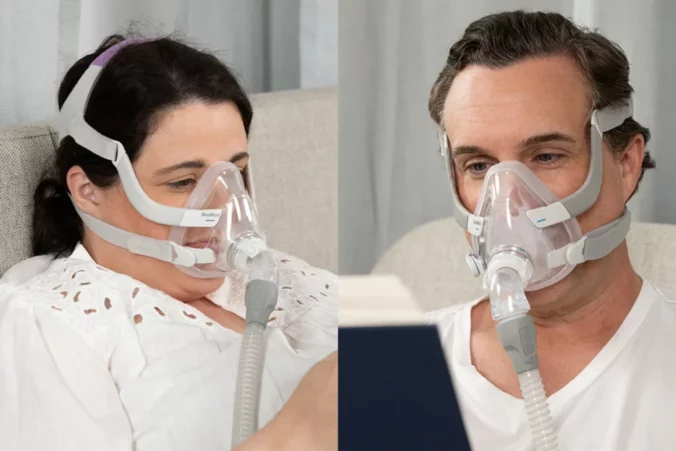
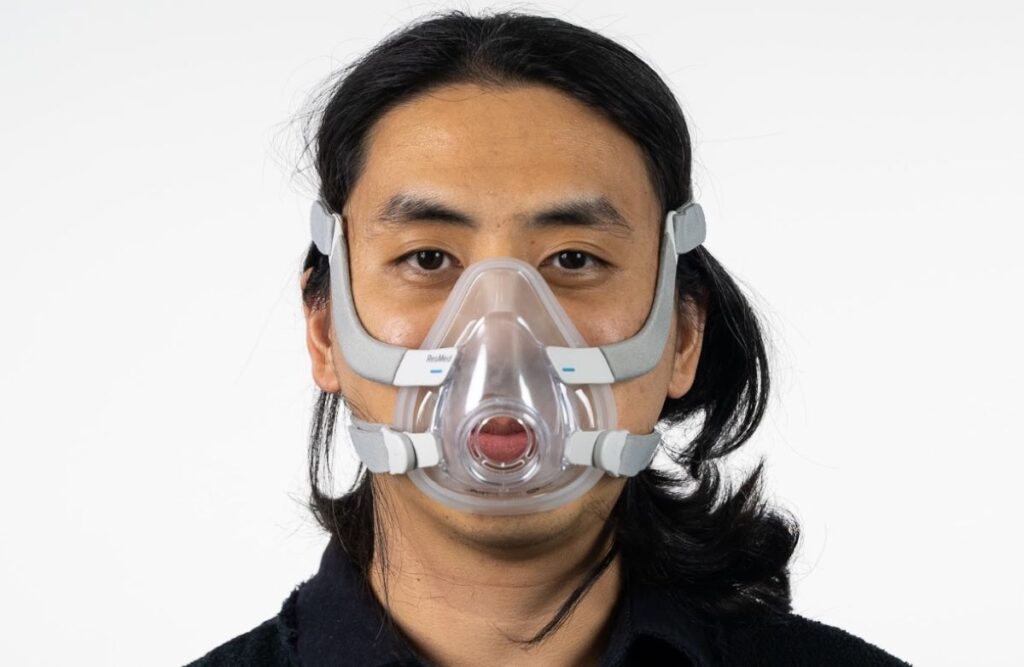
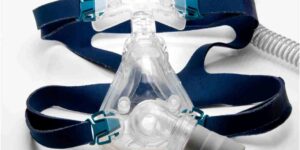
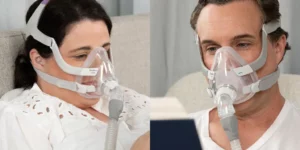
Full face masks cover both the nose and mouth, ideal for mouth-breathers or those using higher pressure.
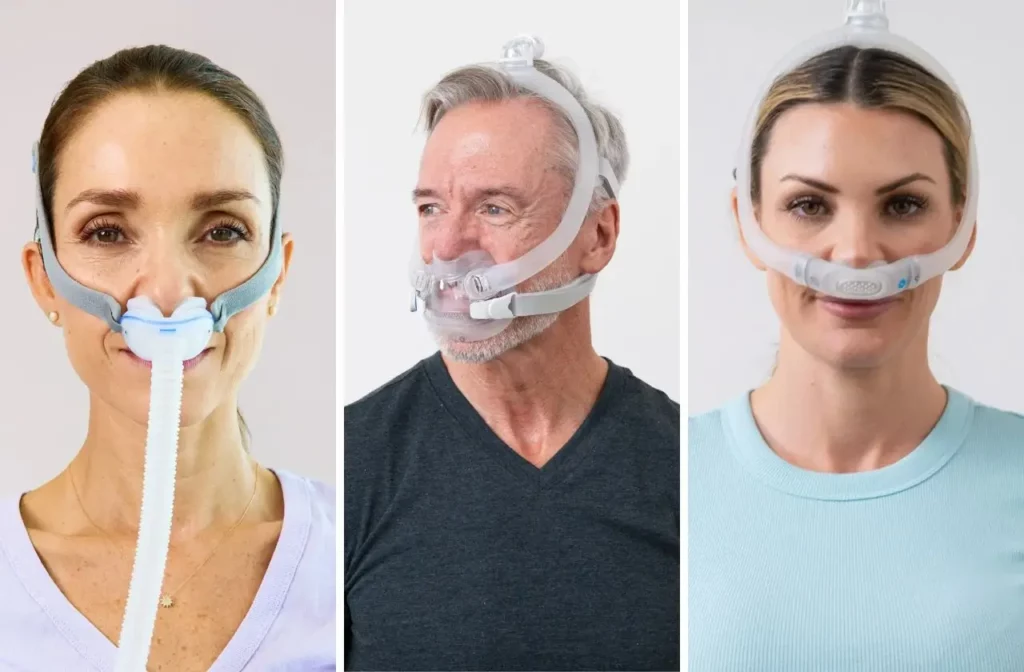
Nasal masks cover just the nose and are suitable for those who breathe through their nose during sleep.
Nasal pillow masks have minimal contact with the face, making them ideal for people who prefer a lightweight option.
3. Comfort Features
Comfort is crucial when it comes to CPAP masks. Look for features such as adjustable headgear, soft straps, and lightweight frames. Additionally, masks with built-in humidifiers or features like flexible tubing help maintain comfort throughout the night by preventing dryness or irritation.
4. Noise Levels
The noise produced by a CPAP mask can affect sleep quality, so it’s important to choose a mask that operates quietly. Modern CPAP masks are designed to minimize noise, but some models are quieter than others.
5. Ease of Cleaning
Maintaining your CPAP mask is essential for hygiene and long-term use. Choose a mask that is easy to clean and assemble, with removable cushions and headgear for simple washing. Regular cleaning ensures a better seal and prevents the buildup of bacteria.
Top CPAP Masks for Comfort and Sleep Quality
Here are some of the best CPAP masks available in Australia that combine comfort, performance, and durability:
1. ResMed AirFit F20 Full Face Mask
The ResMed AirFit F20 is a popular full face mask designed for comfort and ease of use. It features a soft, flexible cushion that adapts to your face, ensuring a secure fit while minimizing leaks. The mask is easy to clean and comes with adjustable headgear for a customizable fit.
2. Philips DreamWear Full Face Mask
The Philips DreamWear Full Face Mask offers a unique top-of-the-head tube design, which eliminates the need for bulky side tubes. This mask provides a comfortable seal and allows you to sleep in any position, without the hassle of mask shifting. The lightweight design ensures a comfortable fit all night long.
3. Fisher & Paykel Vitera Full Face Mask
The Vitera Full Face Mask from Fisher & Paykel is known for its comfort and high-performance features. It uses advanced “VentiCool” technology to keep you cool and dry while sleeping. The flexible frame and cushion allow for a secure fit, and the soft, breathable headgear adds extra comfort.
4. ResMed AirFit P10 Nasal Pillow Mask
If you prefer a nasal pillow mask, the ResMed AirFit P10 offers minimal contact while providing a reliable seal. It’s lightweight and quiet, making it ideal for side-sleepers or anyone who prefers a less bulky mask. The mask’s compact design ensures comfort without compromising on performance.
5. Fisher & Paykel Eson 2 Nasal Mask
The Fisher & Paykel Eson 2 Nasal Mask is another great option for those who prefer a nasal mask. It features a minimalist design, making it ideal for those who want a comfortable fit without feeling constricted. The mask provides a secure seal and is easy to adjust, ensuring a peaceful night’s sleep.
How to Choose the Right CPAP Mask for Your Needs
Choosing the right CPAP mask depends on your specific needs and preferences. Here are a few tips to help you make the best choice:
Consider your breathing habits: If you breathe through your mouth, a full face mask may be the best option. If you breathe through your nose, a nasal mask or pillow mask may be more suitable.
Think about your sleep position: Side sleepers may find a nasal pillow mask more comfortable, while back sleepers may prefer a full face mask for better coverage.
Consider comfort and fit: Try on different mask types and adjust the headgear to ensure a snug, secure fit without causing discomfort. Don’t forget to check for leaks and make sure the mask remains in place throughout the night.
Tips for Getting the Best Sleep with Your CPAP Mask
Ensure proper fit: A properly fitted mask ensures comfort and prevents leaks. Take the time to adjust the straps and try different sizes if necessary.
Clean your mask regularly: Cleaning your CPAP mask is essential for hygiene and mask longevity. Make it a habit to clean your mask and its components regularly.
Replace parts as needed: Over time, the cushion and straps may wear out. Replace these parts when necessary to maintain optimal performance and comfort.
Consult your sleep therapist: If you’re experiencing discomfort, leaks, or other issues, consult your sleep therapist for adjustments or mask recommendations.
Conclusion
Finding the best CPAP mask for your needs is crucial to ensuring that you get a good night’s sleep and benefit fully from your CPAP therapy. Whether you choose a full face mask, nasal mask, or nasal pillow mask, the right fit and comfort features are key to improving sleep quality. With a variety of high-quality CPAP masks available in Australia, you have plenty of options to choose from to ensure optimal comfort and performance.
Summary
This article explored the best CPAP masks for comfort and sleep quality. We discussed the different types of CPAP masks, including full face, nasal, and nasal pillow masks, and provided recommendations for top models available in Australia. We also covered key features to consider when choosing a mask, such as fit, seal quality, and comfort, and provided tips on maintaining your mask for long-term use.
What is the best CPAP mask for Australians?
The ResMed AirFit F20 Full Face Mask, Philips DreamWear Full Face Mask, and ResMed AirFit P10 Nasal Pillow Mask are all excellent choices for Australians, offering comfort, quality, and reliability.
Can I buy CPAP masks online in Australia?
Yes, many reputable suppliers in Australia offer CPAP masks online. Ensure that you choose a reliable retailer that provides quality products and customer support.
What is the difference between a full face mask and a nasal mask?
A full face mask covers both the nose and mouth, making it ideal for mouth-breathers. A nasal mask covers only the nose and is suitable for people who breathe through their nose while sleeping.
How often should I replace my CPAP mask?
You should replace the cushion and straps every 3-6 months, or sooner if you notice wear and tear or discomfort. Regular cleaning and maintenance will help extend the life of your mask.
How can I ensure my CPAP mask fits properly?
Adjust the headgear straps for a snug fit without being too tight. Make sure the mask forms a secure seal around your nose or mouth, depending on the type, and check for leaks during the night.
What is CPAP Therapy and Why Is It Important for Sleep Apnea Treatment?
CPAP therapy delivers continuous pressurised air through a mask to keep your airways open during sleep, preventing the breathing interruptions that characterise sleep apnoea. This treatment method works by maintaining steady air pressure that acts as a pneumatic splint for your throat muscles.
Sleep apnoea causes repeated breathing pauses throughout the night, leading to fragmented sleep and dangerously low oxygen levels. Without treatment, this condition increases your risk of:
High blood pressure and cardiovascular disease
Type 2 diabetes
Daytime fatigue and concentration difficulties
Increased accident risk due to drowsiness
CPAP therapy addresses these risks directly by ensuring uninterrupted breathing patterns. When used consistently, patients typically experience immediate improvements in sleep quality, with many reporting increased energy levels and better cognitive function within days of starting treatment.
The effectiveness of CPAP therapy depends heavily on proper equipment selection and consistent use. Studies show that patients who use their CPAP machines for at least four hours per night experience the most significant health benefits. This makes choosing the right mask crucial—an uncomfortable or poorly fitting mask often leads to treatment abandonment.
Understanding how CPAP therapy works helps you appreciate why selecting the appropriate mask brand and style matters so much for your long-term treatment success and overall health outcomes.
How Do Different Types of CPAP Masks Impact User Experience?
CPAP mask types directly influence therapy success through their impact on comfort, seal quality, and nightly adherence. The five main mask styles—full-face masks, nasal masks, nasal pillow masks, oral/hybrid masks, and total face masks—each address specific breathing patterns and sleep preferences.
1. Full-Face Masks
Full-Face Masks cover both the nose and mouth, making them ideal for mouth breathers or those with chronic nasal congestion. These masks deliver consistent therapy regardless of whether you breathe through your nose or mouth during sleep. Back sleepers often find full-face masks comfortable, though the larger surface area can feel restrictive for some users. The AirFit F20 by ResMed exemplifies this category with its cushioned design that accommodates facial movement.
2. Nasal Masks
Nasal Masks sit over the nose only, offering a middle ground between coverage and freedom. Users who breathe primarily through their nose during sleep appreciate the lighter feel and wider field of vision these masks provide. Side sleepers benefit from the reduced bulk, though nasal congestion can compromise effectiveness.
3. Nasal Pillow Masks
Nasal Pillow Masks insert directly into the nostrils with minimal facial contact. These ultra-compact designs suit active sleepers who change positions frequently throughout the night. The ResMed AirFit P10 demonstrates how nasal pillows can reduce claustrophobic feelings whilst maintaining therapy pressure. Users with facial hair particularly favour this style since seal quality doesn’t depend on smooth skin contact around the nose bridge.
4. Oral/Hybrid Masks
Oral/Hybrid Masks combine nasal pillows with a mouth cushion, accommodating users who alternate between nose and mouth breathing. This design addresses the limitations of single-interface masks without the bulk of full-face options.
5. Total Face Masks
Total Face Masks distribute pressure across the entire face rather than concentrating it on specific contact points. These masks benefit users with facial sensitivities or those who cannot tolerate traditional mask pressure points, though their larger profile requires adjustment.
Which Leading Brands Offer the Most Popular CPAP Masks?
Three manufacturers dominate the CPAP mask market: ResMed, Philips Respironics, and Fisher & Paykel. Each brand has established itself through innovative designs and consistent user satisfaction ratings.
ResMed: Innovation in Comfort and Seal Technology
ResMed leads the market with its AirFit series, which incorporates advanced cushion technology for superior sealing. The AirFit F20 stands out as their flagship full-face mask, featuring InfinitySeal cushions that adapt to facial contours throughout the night. Users praise its magnetic clips for easy assembly and the QuietAir vent system that reduces noise to 21 decibels.
The AirFit P10 nasal pillow mask represents ResMed’s minimalist approach. Weighing just 45 grams, it offers unrestricted vision for reading or watching television before sleep. The dual-wall nasal pillows provide a secure seal without excessive pressure on the nostrils.
Philips Respironics: User-Friendly Design for Beginners
Philips Respironics focuses on accessibility and ease of use. The DreamWear series revolutionises traditional mask design by positioning the frame on top of the head rather than the face. This configuration allows users to sleep in any position without tube interference.
The DreamWear’s under-the-nose cushion eliminates the claustrophobic feeling many new users experience with traditional nasal masks. Magnetic headgear clips enable one-handed attachment, making nightly setup straightforward for those with limited dexterity.
Fisher & Paykel: Compact Solutions for Active Sleepers
Fisher & Paykel specialises in low-profile designs that suit active sleepers. The Evora nasal mask features a compact frame that sits away from the eyes, providing an open field of vision. Its RollFit seal adjusts to different facial angles, maintaining effectiveness regardless of sleeping position.
The Vitera full-face mask incorporates their proprietary VisiBlue headgear, which guides users to the correct adjustment points. This visual system reduces fitting errors and improves seal
Why Are Fit and Comfort Crucial When Choosing a CPAP Mask?
Proper sizing creates an effective seal that prevents air leaks while maintaining therapy pressure throughout the night. Without the right fit, users experience mask leaks that trigger pressure compensation from the machine, leading to disruptive noise and reduced treatment effectiveness.
The importance of fit in CPAP masks goes beyond just preventing leaks. Masks that don’t fit properly can create pressure points on the face, leaving red marks, causing skin irritation, and discomfort that disrupts sleep quality. Many users give up on CPAP therapy completely because of poorly fitted equipment, making this consideration critical when comparing CPAP Mask Brands.
Several factors determine how well a mask fits:
Face shape variations: Narrow or wide nasal bridges, prominent cheekbones, and facial hair all influence which mask style creates the best seal
Sleeping position preferences: Side sleepers benefit from low-profile nasal pillows that won’t shift during movement, while back sleepers can accommodate larger full-face designs
Breathing patterns: Mouth breathers require full-face coverage, whereas nasal breathers have more style options available
Skin sensitivity: Materials like silicone cushions vary between brands, affecting comfort for those with allergies or sensitive skin
Testing different mask styles through trial periods helps identify the most comfortable option. Many suppliers offer sizing guides and fitting templates, but professional fitting appointments provide the most accurate results for long-term therapy success.
How Does Brand Compatibility with CPAP Machines Affect Mask Selection?
CPAP machine compatibility directly determines whether your chosen mask will function properly with your device. Not all masks work seamlessly with every CPAP machine, particularly when it comes to tubing connections and pressure delivery systems.
Many manufacturers design proprietary tubing systems that only fit their own products. ResMed’s QuietAir elbow technology, for instance, works specifically with their AirFit mask series. Attempting to mix brands may result in:
Incompatible connection points between mask and machine tubing
Voided warranties from using non-approved components
The connection point between your mask and machine tubing requires precise matching. Standard 22mm connections are common across many brands, yet some models feature unique attachment systems. Philips Respironics’ DreamWear mask uses a top-of-head tube connection that may not accommodate other manufacturers’ tubing configurations.
Pressure settings also vary between machines. Certain masks are calibrated for specific pressure ranges, meaning a mask designed for lower pressure therapy might not seal effectively with a machine delivering higher pressures. Checking your CPAP machine’s specifications against mask requirements prevents compatibility issues that could disrupt your sleep apnea treatment. Your equipment provider can verify which masks work optimally with your specific machine model before purchase.
What Safety Considerations Should Users Keep in Mind When Choosing a CPAP Mask?
Safety recalls in CPAP masks are a critical concern that directly impacts user health and treatment effectiveness. CPAP masks are classified as Class II medical devices, meaning they undergo regulatory oversight and must meet specific safety standards before reaching consumers.
Recent years have seen significant recalls affecting major manufacturers. Philips Respironics issued a notable recall for several mask models containing magnetic clips that posed risks to users with implanted medical devices such as pacemakers, defibrillators, or neurostimulators. The magnetic components could interfere with device functionality, creating potentially life-threatening situations for affected patients.
Key safety factors to evaluate include:
Magnetic components: Verify whether your mask contains magnets if you have implanted medical devices
Material composition: Check for latex or silicone allergies that could trigger adverse reactions
Regulatory compliance: Confirm the mask meets current safety standards in your region
Manufacturer transparency: Research whether the brand has a history of addressing safety concerns promptly
Purchasing from authorised retailers ensures you receive genuine products with proper documentation and recall notifications. Counterfeit or grey-market masks may lack safety certifications and won’t be covered under manufacturer recall programmes. Healthcare providers can verify whether your chosen mask model has any outstanding safety alerts or regulatory issues before you commit to a purchase.
How Do Durability and Replacement Policies Vary Among Different CPAP Masks?
The durability of CPAP masks directly impacts long-term treatment costs and therapy effectiveness. Research shows that nasal masks and nasal pillow designs maintain optimal performance for up to 30 months without significant air leaks or functional decline, while full-face masks typically show higher leak rates over time.
Different mask types age at varying rates based on their construction and materials:
Nasal pillows: Silicone cushions compress with regular use, requiring replacement every 3-6 months
Nasal masks: Cushions and seals typically last 6-12 months before material degradation affects the seal
Full-face masks: Larger cushions experience more wear, often needing replacement every 6-9 months
Manufacturer replacement policies differ substantially across brands. ResMed and Fisher & Paykel typically recommend replacing cushions every 3-6 months, while Philips Respironics suggests similar intervals for their DreamWear series. Studies indicate that extending mask renewal intervals to 24 months could reduce healthcare costs by up to 60% without compromising therapy quality.
Insurance coverage plays a crucial role in replacement schedules. Most policies allow for cushion replacements every 3 months and full mask replacements every 6-12 months. Notably, CPAP masks are classified as Class II medical devices requiring prescriptions, which underlines the importance of purchasing from authorised retailers to ensure access to warranty protection and manufacturer support. Furthermore, it’s essential to understand that Medicare does provide coverage for Continuous Positive Airway Pressure (CPAP) devices, which can further alleviate the financial burden associated with these necessary medical devices. Visit https://www.tga.gov.au/how-we-regulate/supply-therapeutic-good/supply-medical-device/medical-device-inclusion-process/classification-medical-devices to get more about classification of medical devices.
Making an Informed Decision: Selecting the Best-Suited CPAP Mask Brand for Individual Needs
How do you choose the right CPAP mask brand for your specific situation? The answer lies in weighing your personal comfort needs against practical factors like budget, brand reliability, and long-term value. No single brand works perfectly for everyone—your ideal choice depends on your unique circumstances.
Identify Your Non-Negotiables
Start by identifying your non-negotiables:
Do you sleep on your side and need a low-profile design?
Is your skin sensitive to certain materials?
Does your insurance cover specific brands?
These questions narrow down your options when choosing best CPAP mask brand.
Key Factors When Comparing Brands
Consider these key factors when comparing brands:
Comfort and fit: Test different styles (nasal pillows, full-face, nasal) to find what feels natural
Brand reputation: ResMed, Philips Respironics, and Fisher & Paykel have established track records
Machine compatibility: Verify your chosen mask works with your existing CPAP device
Cost over time: Calculate replacement expenses based on manufacturer policies
Safety record: Check for any recalls or regulatory issues
Consult with Professionals
Consult your sleep specialist or respiratory therapist before making a final decision. They can provide personalised recommendations based on your sleep study results and facial anatomy. Many suppliers offer trial periods—take advantage of these to ensure you’ve found your perfect match.
Ready to find your ideal CPAP mask? Schedule a fitting appointment with a certified CPAP provider today to experience different brands firsthand and start your journey toward better sleep.
CPAP Therapy and Mask FAQ
1. What is CPAP therapy? CPAP (Continuous Positive Airway Pressure) therapy delivers continuous pressurised air through a mask to keep airways open during sleep, preventing interruptions caused by sleep apnea. 2. Why is CPAP therapy important for sleep apnea? It prevents repeated breathing pauses, improving oxygen levels, reducing cardiovascular risks, decreasing daytime fatigue, and enhancing concentration and alertness. 3. How quickly can patients notice benefits from CPAP therapy? Many patients report improved sleep quality, increased energy, and better cognitive function within days of consistent use. 4. How long should CPAP therapy be used nightly for effectiveness? Studies recommend using CPAP for at least four hours per night to achieve the most significant health benefits. 5. What are the main types of CPAP masks? Full-Face Masks: Cover nose and mouth, ideal for mouth breathers or nasal congestion. Nasal Masks: Cover only the nose, suitable for nasal breathers and side sleepers. Nasal Pillow Masks: Insert directly into nostrils, lightweight and ideal for active sleepers. Oral/Hybrid Masks: Combine nasal pillows and mouth cushion for mixed breathing patterns. Total Face Masks: Distribute pressure across the whole face, good for facial sensitivities. 6. Which brands lead the CPAP mask market? ResMed, Philips Respironics, and Fisher & Paykel dominate, offering innovative designs and high user satisfaction. 7. How do ResMed masks stand out? ResMed’s AirFit series features adaptive cushion technology, magnetic clips for easy assembly, and QuietAir venting for low noise levels. 8. How does Philips Respironics innovate mask design? The DreamWear series positions the frame on top of the head, reducing facial contact and tube interference, enhancing comfort for side sleepers. 9. What makes Fisher & Paykel masks suitable for active sleepers? Low-profile designs like Evora nasal masks maintain a secure seal during movement, while full-face Vitera masks guide correct fitting visually. 10. Why is fit and comfort crucial for CPAP masks? Proper fit ensures a seal to prevent air leaks, maintains therapy pressure, avoids facial irritation, and supports consistent nightly use.
This guide compares clinic and home testing in practical terms, so they can choose the option that fits their situation. What is a sleep test trying to diagnose? A sleep test Adelaide service is primarily used to diagnose obstructive sleep apnoea (OSA), a condition where the airway narrows or collapses during sleep. Depending on the […]Read More »
This guide explains how to choose a sleep test provider in Sydney with fewer surprises and a clearer path to treatment. What is a sleep test, and what does it diagnose? A sleep test Sydney service measures breathing, oxygen levels, sleep stages, and other signals overnight to help identify sleep disorders. It is most commonly […]Read More »
The Ultimate Guide to Choosing an Oxygen Concentrator in Australia For individuals living with chronic respiratory conditions, maintaining independence while managing oxygen therapy is a top priority. Whether you are navigating the bustling streets of Sydney or enjoying the coastal breeze of New South Wales, understanding how to select the right oxygen concentrator is essential […]Read More »
If you’re using a CPAP machine to manage sleep apnoea, choosing the right CPAP mask is just as important as selecting the machine itself. A poorly fitting or uncomfortable CPAP mask can compromise your sleep quality and the effectiveness of your therapy. For Australians seeking better sleep and overall health, this comprehensive review will guide […]Read More »
Sleep apnea affects millions worldwide, disrupting sleep and increasing the risk of serious health issues such as heart disease, high blood pressure, and fatigue. Continuous Positive Airway Pressure (CPAP) machines are a cornerstone treatment for this sleep disorder, helping maintain steady breathing during sleep and improving overall sleep health. Choosing the right CPAP machine can […]Read More »