If you’re using a CPAP machine to manage sleep apnoea, choosing the right CPAP mask is just as important as selecting the machine itself. A poorly fitting or uncomfortable CPAP mask can compromise your sleep quality and the effectiveness of your therapy. For Australians seeking better sleep and overall health, this comprehensive review will guide you through finding the best CPAP masks to enhance comfort and sleep quality.
Why the Right CPAP Mask Matters for Sleep Quality
Your CPAP mask serves as the interface between you and your CPAP therapy. Even with the best CPAP machine, a mask that is uncomfortable, leaks, or doesn’t fit properly can cause discomfort and disrupt your sleep. It’s essential that the mask seals well, provides comfort throughout the night, and stays in place. A good CPAP mask improves your therapy adherence, ensuring that you get the most out of your treatment. In Australia, a wide range of CPAP masks is available, so you can find the one that suits your needs perfectly.
What to Look for When Buying CPAP Masks in Australia
Before you buy CPAP masks in Australia, there are several important features to consider to ensure comfort, effectiveness, and durability.
1. Fit and Seal Quality
A good CPAP mask should fit snugly but not cause discomfort. Look for masks with a flexible seal that adapts to your facial contours. Masks with memory foam cushions or advanced silicone seals tend to provide a better seal, preventing leaks and ensuring a good night’s sleep.
2. Mask Style: Full Face, Nasal, or Pillow
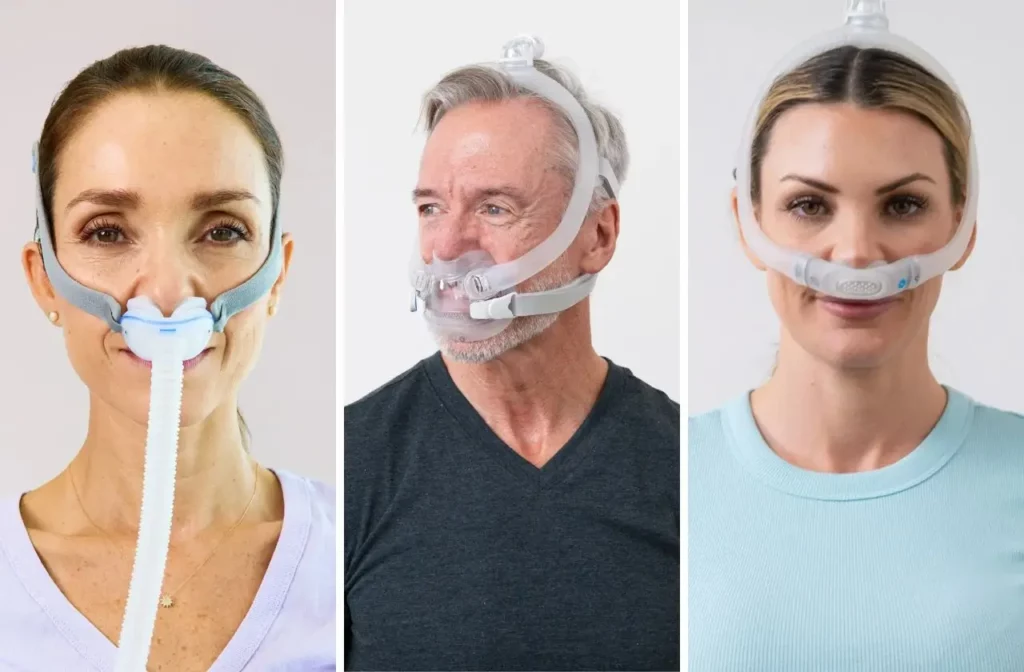
CPAP masks come in various styles, each suited to different sleep patterns and preferences:
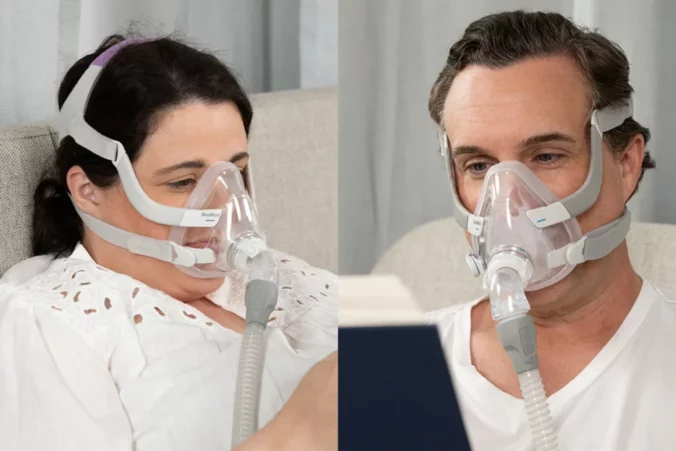
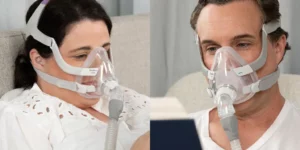
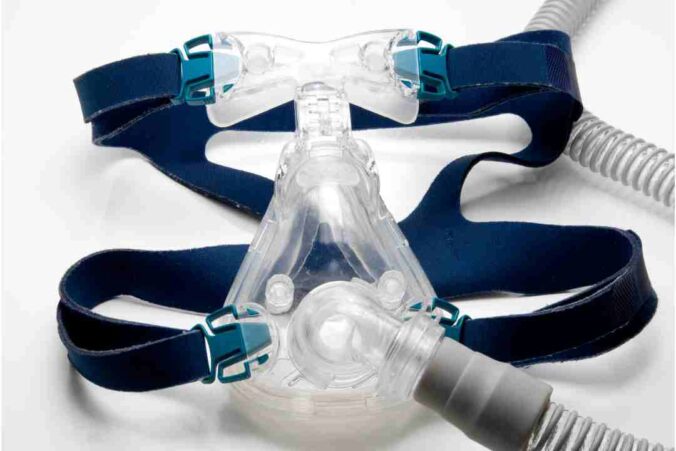
- Full face masks cover both the nose and mouth, ideal for mouth-breathers or those using higher pressure.
- Nasal masks cover just the nose and are suitable for those who breathe through their nose during sleep.
- Nasal pillow masks have minimal contact with the face, making them ideal for people who prefer a lightweight option.
3. Comfort Features
Comfort is crucial when it comes to CPAP masks. Look for features such as adjustable headgear, soft straps, and lightweight frames. Additionally, masks with built-in humidifiers or features like flexible tubing help maintain comfort throughout the night by preventing dryness or irritation.
4. Noise Levels
The noise produced by a CPAP mask can affect sleep quality, so it’s important to choose a mask that operates quietly. Modern CPAP masks are designed to minimize noise, but some models are quieter than others.
5. Ease of Cleaning
Maintaining your CPAP mask is essential for hygiene and long-term use. Choose a mask that is easy to clean and assemble, with removable cushions and headgear for simple washing. Regular cleaning ensures a better seal and prevents the buildup of bacteria.

Top CPAP Masks for Comfort and Sleep Quality
Here are some of the best CPAP masks available in Australia that combine comfort, performance, and durability:
1. ResMed AirFit F20 Full Face Mask
The ResMed AirFit F20 is a popular full face mask designed for comfort and ease of use. It features a soft, flexible cushion that adapts to your face, ensuring a secure fit while minimizing leaks. The mask is easy to clean and comes with adjustable headgear for a customizable fit.
2. Philips DreamWear Full Face Mask
The Philips DreamWear Full Face Mask offers a unique top-of-the-head tube design, which eliminates the need for bulky side tubes. This mask provides a comfortable seal and allows you to sleep in any position, without the hassle of mask shifting. The lightweight design ensures a comfortable fit all night long.
3. Fisher & Paykel Vitera Full Face Mask
The Vitera Full Face Mask from Fisher & Paykel is known for its comfort and high-performance features. It uses advanced “VentiCool” technology to keep you cool and dry while sleeping. The flexible frame and cushion allow for a secure fit, and the soft, breathable headgear adds extra comfort.
4. ResMed AirFit P10 Nasal Pillow Mask
If you prefer a nasal pillow mask, the ResMed AirFit P10 offers minimal contact while providing a reliable seal. It’s lightweight and quiet, making it ideal for side-sleepers or anyone who prefers a less bulky mask. The mask’s compact design ensures comfort without compromising on performance.
5. Fisher & Paykel Eson 2 Nasal Mask
The Fisher & Paykel Eson 2 Nasal Mask is another great option for those who prefer a nasal mask. It features a minimalist design, making it ideal for those who want a comfortable fit without feeling constricted. The mask provides a secure seal and is easy to adjust, ensuring a peaceful night’s sleep.
How to Choose the Right CPAP Mask for Your Needs
Choosing the right CPAP mask depends on your specific needs and preferences. Here are a few tips to help you make the best choice:
- Consider your breathing habits: If you breathe through your mouth, a full face mask may be the best option. If you breathe through your nose, a nasal mask or pillow mask may be more suitable.
- Think about your sleep position: Side sleepers may find a nasal pillow mask more comfortable, while back sleepers may prefer a full face mask for better coverage.
- Consider comfort and fit: Try on different mask types and adjust the headgear to ensure a snug, secure fit without causing discomfort. Don’t forget to check for leaks and make sure the mask remains in place throughout the night.
Tips for Getting the Best Sleep with Your CPAP Mask
- Ensure proper fit: A properly fitted mask ensures comfort and prevents leaks. Take the time to adjust the straps and try different sizes if necessary.
- Clean your mask regularly: Cleaning your CPAP mask is essential for hygiene and mask longevity. Make it a habit to clean your mask and its components regularly.
- Replace parts as needed: Over time, the cushion and straps may wear out. Replace these parts when necessary to maintain optimal performance and comfort.
- Consult your sleep therapist: If you’re experiencing discomfort, leaks, or other issues, consult your sleep therapist for adjustments or mask recommendations.
Conclusion
Finding the best CPAP mask for your needs is crucial to ensuring that you get a good night’s sleep and benefit fully from your CPAP therapy. Whether you choose a full face mask, nasal mask, or nasal pillow mask, the right fit and comfort features are key to improving sleep quality. With a variety of high-quality CPAP masks available in Australia, you have plenty of options to choose from to ensure optimal comfort and performance.
Summary
This article explored the best CPAP masks for comfort and sleep quality. We discussed the different types of CPAP masks, including full face, nasal, and nasal pillow masks, and provided recommendations for top models available in Australia. We also covered key features to consider when choosing a mask, such as fit, seal quality, and comfort, and provided tips on maintaining your mask for long-term use.
The ResMed AirFit F20 Full Face Mask, Philips DreamWear Full Face Mask, and ResMed AirFit P10 Nasal Pillow Mask are all excellent choices for Australians, offering comfort, quality, and reliability.
Yes, many reputable suppliers in Australia offer CPAP masks online. Ensure that you choose a reliable retailer that provides quality products and customer support.
A full face mask covers both the nose and mouth, making it ideal for mouth-breathers. A nasal mask covers only the nose and is suitable for people who breathe through their nose while sleeping.
You should replace the cushion and straps every 3-6 months, or sooner if you notice wear and tear or discomfort. Regular cleaning and maintenance will help extend the life of your mask.
Adjust the headgear straps for a snug fit without being too tight. Make sure the mask forms a secure seal around your nose or mouth, depending on the type, and check for leaks during the night.